
Overview
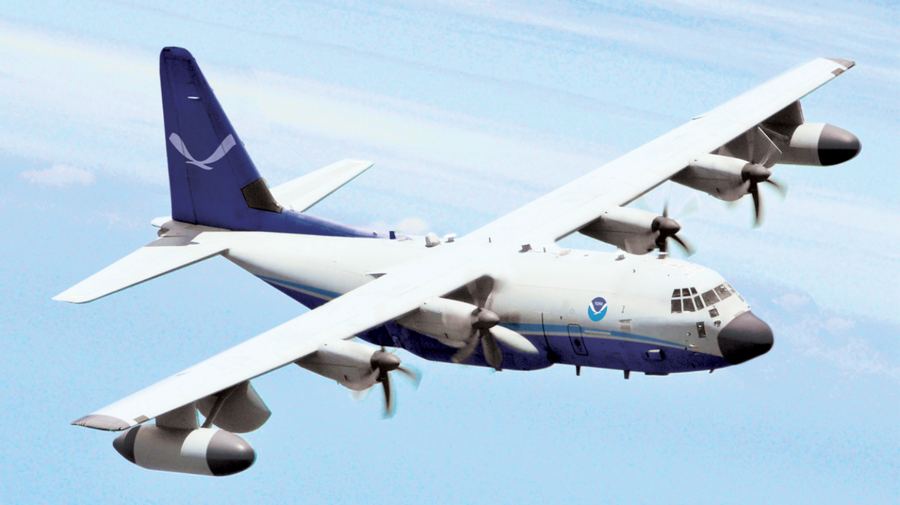
Scientific research aircraft are specially modified or purpose-built planes used to gather atmospheric, environmental, or geophysical data that can't easily be collected from the ground or by satellite, including storm research and high-altitude atmospheric sampling. Well-known examples include high-altitude research aircraft and “Hurricane Hunter” aircraft that fly directly into tropical storms to gather data used in forecasting. These aircraft are typically fitted with specialized instrument packages mounted in place of or alongside normal cabin equipment, and are often flown by government agencies or universities rather than commercial operators. Research aviation has played a central role in advances across meteorology and climate science by making direct, in-situ measurements possible in environments difficult to study any other way.
History
Scientific research aviation grew substantially after World War II, as surplus military aircraft were converted into dedicated atmospheric and meteorological research platforms. NOAA's hurricane reconnaissance program, which sends aircraft directly into tropical storms to gather forecasting data, began in the mid-20th century and remains one of the best-known applications of research aviation today. High-altitude research aircraft development from the 1960s onward expanded the range of atmospheric and climate data scientists could gather directly, and research aviation has continued to play a central role in climate science as environmental monitoring has become an increasing research priority.
Design & Specifications
Research aircraft are typically extensively modified from a standard airframe, with specialized instrument racks and external sensor pods replacing much of the normal cabin interior. Hurricane Hunter aircraft carry dropsonde launchers that release small instrument packages by parachute into the storm below, gathering data as they fall toward the ocean surface. High-altitude research aircraft are built with extended wingspans and lightweight airframes optimized for sustained flight far above where standard commercial aircraft operate. Because research aircraft carry specialized, often expensive instrumentation, they typically require dedicated ground support teams for calibration and data processing.
Operations
Research flight missions are typically planned around a specific scientific objective, such as sampling a particular atmospheric layer or penetrating a forming storm at a precise stage of development. Hurricane Hunter missions fly directly into storms, often making multiple passes through the eye to gather data at different points during the storm's evolution. Research aircrews typically work closely with scientists aboard or in contact with the flight, adjusting altitude or route in response to real-time findings. Because research flights often venture into conditions well outside normal commercial aviation, crews require specialized training beyond standard pilot certification.
References
| Category | Special Operations & General Aviation |
| Type | Atmospheric / research flight |
| Operated By | Government agencies, universities |
| Example | NOAA Hurricane Hunters |
| Purpose | Weather & climate data |