
Overview
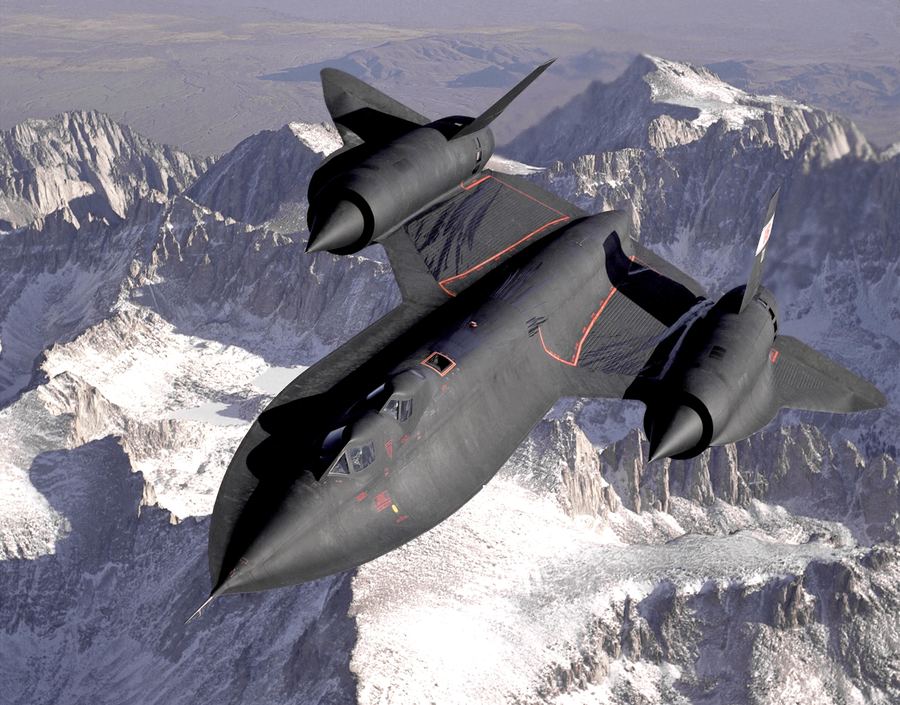
A reconnaissance aircraft, colloquially known as a spy plane, is a military aircraft designed or adapted to perform aerial reconnaissance, with roles including the collection of imagery intelligence, signals intelligence, and measurement and signature intelligence. Modern technology has also enabled some aircraft and UAVs to carry out real-time surveillance in addition to traditional after-the-fact intelligence gathering, letting commanders act on reconnaissance data almost immediately rather than waiting for post-mission analysis. Before the development of radar and other electronic detection systems, military forces relied heavily on reconnaissance aircraft for direct visual observation and scouting of enemy troop movements. The Lockheed SR-71 Blackbird, a high-altitude, high-speed reconnaissance aircraft flown by the US Air Force during the Cold War, remains one of the most iconic examples of the category, valued for its ability to outrun most contemporary threats rather than avoid detection through stealth.
History
Reconnaissance aviation began during World War I, when opposing forces first used aircraft to visually scout enemy troop positions and movements, providing commanders with battlefield awareness previously impossible to obtain quickly. Photographic reconnaissance matured significantly during World War II, as improved camera technology let reconnaissance aircraft capture detailed imagery of enemy installations and troop concentrations for later analysis. The Cold War drove reconnaissance aircraft development to remarkable extremes, exemplified by the Lockheed SR-71 Blackbird, capable of outrunning most contemporary threats through sheer speed and altitude rather than stealth or evasion. Modern reconnaissance capability has increasingly shifted toward unmanned platforms and satellite systems, though crewed reconnaissance aircraft continue operating in specialized roles where their flexibility and sensor capability still offer advantages over unmanned or space-based alternatives.
Design & Specifications
Reconnaissance aircraft carry cameras, sensors, or signals intelligence equipment, some built for high-altitude, high-speed standoff missions.
Operations
Reconnaissance crews fly planned collection missions, gathering imagery or signals intelligence for analysis by intelligence agencies.
References
| Category | Military Aviation & Defense Systems |
| Type | Intelligence-gathering aircraft |
| Nickname | Spy plane |
| Iconic Example | Lockheed SR-71 Blackbird |
| Modern Shift | Increasingly unmanned/satellite |