
Overview
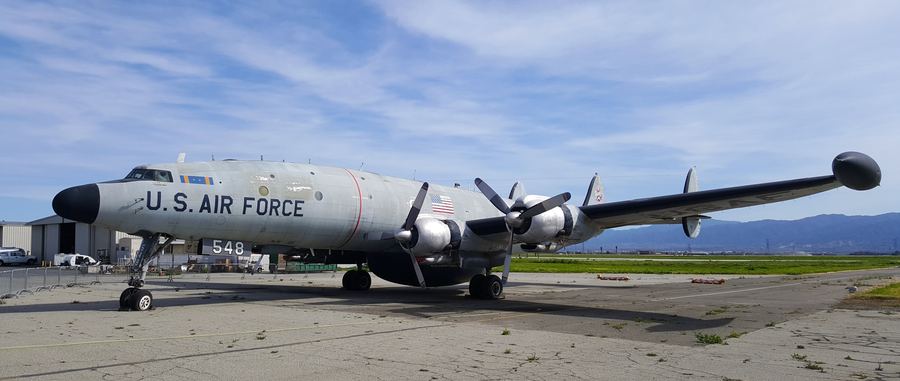
Piston aircraft engines, also called reciprocating engines, generate power by burning a fuel-air mixture inside cylinders to drive pistons connected to a crankshaft, the same basic principle used in automobile engines, and they remain the standard powerplant for most small general aviation aircraft. Most aircraft piston engines are air-cooled, horizontally opposed, four- or six-cylinder designs, valued for their mechanical simplicity, reliability, and ease of maintenance compared to turbine alternatives. Piston engines are significantly less fuel-efficient and power-dense than turboprop or jet engines, which is why they're used almost exclusively in smaller aircraft rather than airliners or larger business jets. Aircraft piston engines are certified to much stricter reliability standards than automotive engines, given the greater consequences of an in-flight failure, and most are designed to run reliably for thousands of hours between overhauls.
History
Aircraft piston engines developed directly from early automobile engine technology in the first decades of the 20th century, adapted for the higher power-to-weight demands of flight. Air-cooled, horizontally opposed engine designs became the standard configuration for small aircraft by the mid-20th century, valued for their mechanical simplicity and reliability compared to more complex liquid-cooled alternatives used in some early aircraft. Manufacturers such as Lycoming and Continental have produced largely similar piston engine designs for decades, reflecting how mature and standardized this technology became by the 1950s and 1960s, with relatively incremental changes since.
Design & Specifications
Aircraft piston engines are typically air-cooled and horizontally opposed, with cylinders arranged in two rows facing each other around a central crankshaft, a configuration chosen for its favorable balance of weight, reliability, and cooling efficiency. Engine displacement and cylinder count vary by application, from small two-cylinder engines on light ultralights up to larger six-cylinder engines producing several hundred horsepower for more capable aircraft. Magneto ignition systems, independent of the aircraft's electrical system, provide redundant spark generation, since most certified aircraft piston engines carry dual ignition systems for safety. Engine cooling relies on airflow directed through baffling around the cylinders during flight, which is why ground operation and taxiing at low speed for extended periods can cause overheating.
Operations
Pilots manage piston engine operation through throttle, mixture, and in more complex aircraft, propeller pitch controls, adjusting these settings for different phases of flight from takeoff through cruise and descent. Engine monitoring instruments, including oil pressure, oil temperature, and cylinder head temperature gauges, let pilots track engine health continuously and detect developing problems before they become serious. Scheduled maintenance for piston engines typically includes oil changes at regular intervals and a complete overhaul after a set number of flight hours, often in the range of 1,500 to 2,000 hours depending on the specific engine model. Pre-flight inspection of a piston engine includes checking oil levels, inspecting for visible leaks or damage, and verifying proper magneto operation before every flight.
See also
References
| Category | Fuel & Powerplants |
| Type | Reciprocating engine |
| Common Config | Air-cooled, horizontally opposed |
| Manufacturers | Lycoming, Continental |
| Status | Standard on small GA aircraft |