
Overview
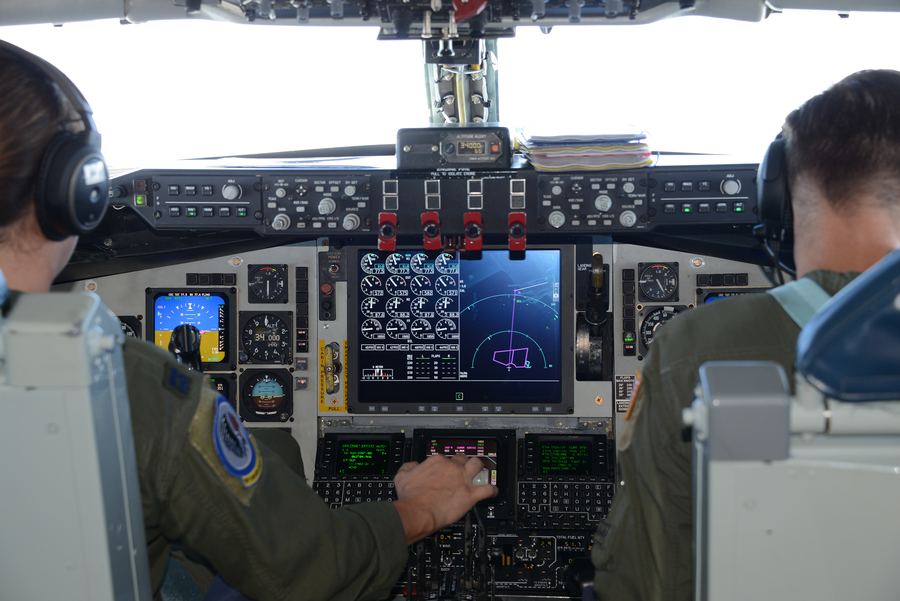
A glass cockpit is a cockpit design, used in both aircraft and spacecraft, that features an array of electronic digital flight instrument displays, typically large LCD screens, in place of traditional analog dials and gauges. Where a traditional cockpit relies on numerous separate mechanical gauges, sometimes nicknamed “steam gauges,” a glass cockpit instead uses a smaller number of multi-function displays and a primary flight display driven by flight management systems, letting the shown information be adjusted as needed. This design simplifies aircraft operation and navigation considerably, allowing pilots to focus on only the most relevant information for a given phase of flight rather than scanning dozens of separate instruments. Glass cockpits have become standard across nearly all newly manufactured aircraft, from small general aviation planes to the largest commercial airliners, largely replacing traditional analog instrument panels over the past several decades.
History
Early glass cockpit development began in the 1970s, driven by military aircraft programs seeking more compact, information-dense displays than a traditional array of separate mechanical gauges could provide. The Boeing 767 and 757, both introduced in the early 1980s, became among the first commercial airliners to feature glass cockpit displays, replacing many traditional analog gauges with early cathode-ray-tube electronic displays. Glass cockpit technology matured rapidly through the 1990s and 2000s as LCD screens replaced older CRT displays, offering better reliability, lower weight, and sharper image quality. Glass cockpits have since become standard across virtually the entire range of newly manufactured aircraft, from small general aviation planes to the largest commercial airliners, essentially replacing traditional analog instrument panels across the industry over the past several decades.
Design & Specifications
A glass cockpit typically centers on a primary flight display showing attitude, airspeed, altitude, and heading in an integrated format, paired with a multi-function display showing navigation, systems, and engine data on a separate screen. Display units are built around LCD technology, offering high brightness and readability across a wide range of cockpit lighting conditions, from bright daylight to full darkness. The underlying avionics architecture feeding a glass cockpit integrates data from GPS, air data computers, and other aircraft sensors, presenting it in a unified, configurable format rather than dozens of separate mechanical instruments. Redundant display units and backup mechanical or electronic instruments ensure critical flight information remains available even if a primary display fails.
Operations
Pilots configure glass cockpit displays for each phase of flight, selecting which information to prioritize on each screen and adjusting map ranges, weather overlays, and traffic displays as needed throughout a flight. Because glass cockpits present information in a more integrated, decluttered format than older analog panels, pilots transitioning to glass cockpit aircraft undergo specific training on the display logic and menu structure particular to that aircraft's avionics suite. Maintenance technicians diagnose glass cockpit issues largely through built-in diagnostic software rather than physically inspecting individual gauges, reflecting the shift from mechanical to software-based troubleshooting. Airlines and operators periodically upgrade glass cockpit software to add new features or comply with evolving regulatory requirements, a process generally far simpler than retrofitting mechanical instruments would have been.
See also
References
| Category | Avionics & Flight Systems |
| Type | Digital flight display system |
| Early Adopters | Boeing 757/767, early 1980s |
| Replaces | Analog “steam gauge” dials |
| Status | Standard on new aircraft |