
Overview
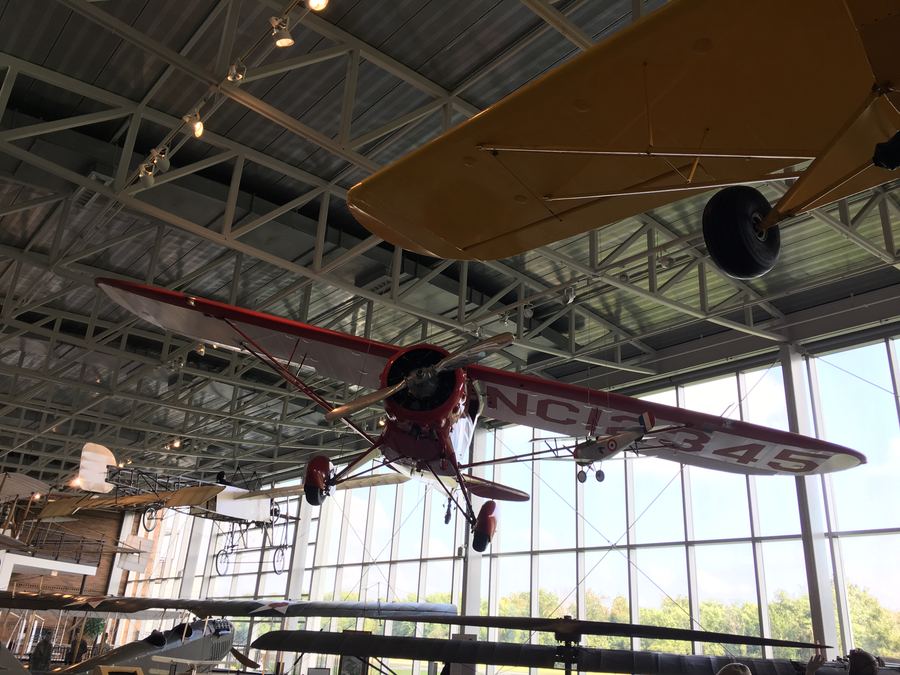
An aviation museum, air museum, or air and space museum exhibits the history and artifacts of aviation, displaying actual, replica, or accurately reproduced aircraft alongside photographs, models, dioramas, and equipment used by aviators. Museum size and scope vary enormously, from small collections housing just one or two aircraft to major institutions with hundreds, and ownership ranges from national and regional governments to private foundations and individual collectors. Some aviation museums also address space exploration history, reflecting the close historical association between aeronautics and astronautics as related engineering disciplines. Many aviation museums specialize specifically in either military or civil aviation history, or focus on a particular era, region, or type of aircraft, giving visitors a more focused and detailed collection than a general-purpose museum could offer.
History
The earliest aviation museums emerged in the early-to-mid 20th century, often built around a single significant aircraft or a small founding collection tied to a particular country's aviation pioneers. Aviation museum development accelerated significantly after World War II, as governments and private collectors sought to preserve historically significant wartime aircraft before they were scrapped or lost. The Smithsonian's National Air and Space Museum, opened in 1976, became one of the most visited museums in the world and helped establish a template for large-scale national aviation and space museums that other countries later followed. Aviation museums have continued expanding globally in subsequent decades, with many now incorporating space exploration exhibits alongside traditional aircraft collections, reflecting the historically close relationship between aeronautics and the broader aerospace industry.
Design & Specifications
Museum aircraft are preserved, restored, or displayed as static exhibits, with some institutions maintaining airworthy examples for occasional flight demonstrations.
Operations
Museums curate exhibits, conduct restoration projects, and host educational programs, relying on donations, admission fees, and government support.
See also
References
| Category | Aviation Business & Pilot Operations |
| Type | Aviation history institution |
| Notable Example | Smithsonian NASM, opened 1976 |
| Scope Range | Single-aircraft to national scale |
| Status | Active worldwide |