
Overview
The empennage, also known as the tail or tail assembly, is the structure at the rear of an aircraft that provides stability during flight, functioning similarly to the feathers on an arrow. Most aircraft feature an empennage combining vertical and horizontal stabilizing surfaces, which stabilize yaw and pitch respectively while also housing key control surfaces like the rudder and elevators. Many early aircraft that lacked a proper stabilizing empennage proved to be virtually unflyable, even when equipped with otherwise effective control surfaces, which helped establish the tail assembly as an essential structural element rather than an optional add-on. Even so-called “tailless” aircraft designs typically retain at least a vertical fin for directional stability, underscoring how fundamental empennage design is to safe, controllable flight.
History
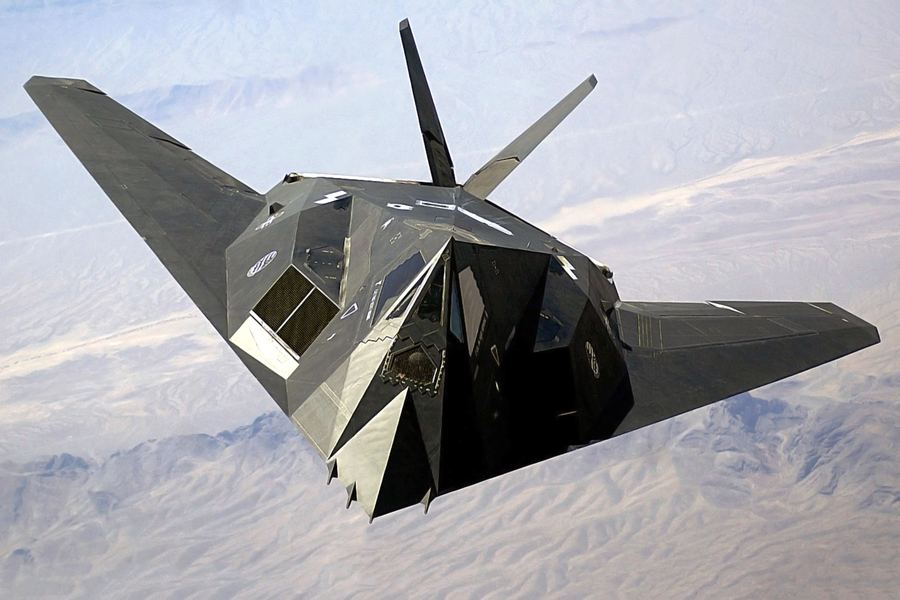
Early aircraft designers quickly discovered through trial and error that a stabilizing tail structure was essential, since many early tailless designs proved dangerously unstable or outright unflyable despite otherwise functional wings and control surfaces. Standardized empennage configurations, combining a vertical fin and horizontal stabilizer, became firmly established by the 1910s as aircraft designers converged on broadly similar tail layouts across different manufacturers. Variations such as T-tails, which mount the horizontal stabilizer atop the vertical fin, and V-tails, which combine both stabilizing functions into two angled surfaces, emerged later in the 20th century for specific aerodynamic or structural advantages on particular aircraft types. Despite these variations, the fundamental role of the empennage in providing pitch and yaw stability has remained constant since aviation's earliest years.
Design & Specifications
The empennage combines a vertical stabilizer housing the rudder and a horizontal stabilizer housing the elevators, built as an integrated structural assembly at the tail.
Operations
The empennage provides continuous stability throughout flight, automatically resisting unwanted yaw and pitch without requiring constant pilot correction.
References
| Category | Aerodynamics & Aircraft Anatomy |
| Type | Aircraft tail assembly |
| Function | Pitch & yaw stability |
| Common Config | Vertical fin + horizontal stabilizer |
| Variants | T-tail, V-tail |