
Overview
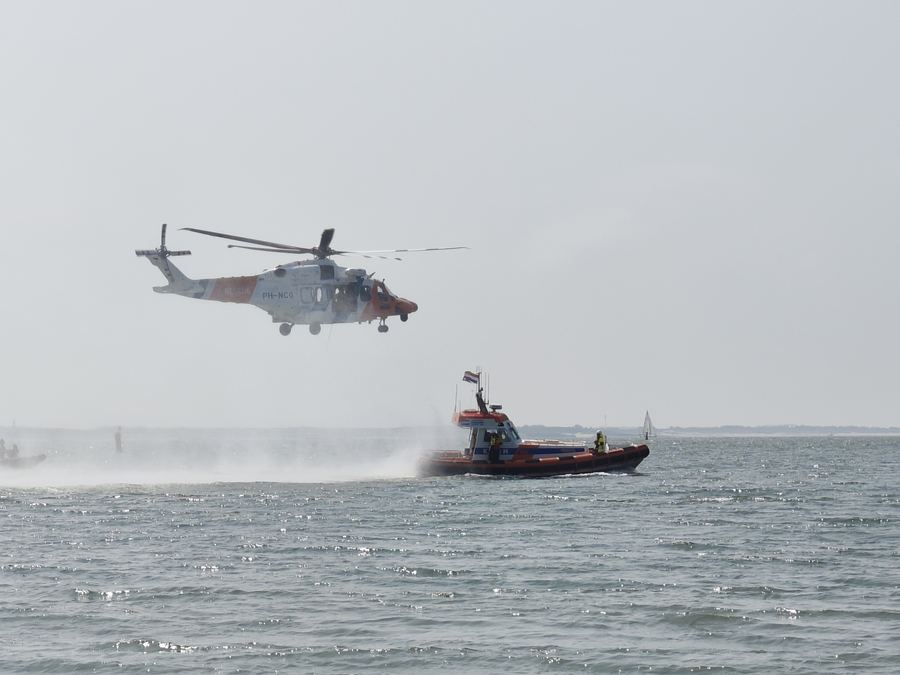
Search and rescue (SAR) is the search for and provision of aid to people in distress or imminent danger, encompassing several specialized sub-fields determined largely by the terrain involved, including mountain rescue, ground search and rescue, urban search and rescue, combat search and rescue, and air-sea rescue. The International Search and Rescue Advisory Group (INSARAG), a United Nations body, promotes the exchange of best practices and coordination standards among international search and rescue organizations. Aircraft, particularly helicopters, play a central role in many SAR operations given their ability to reach remote or otherwise inaccessible locations quickly and to hoist survivors directly from difficult terrain or open water. Military and coast guard services in most countries maintain dedicated search and rescue aircraft and crews on standby specifically for these time-critical missions.
History
Organized search and rescue services developed significantly during and after World War II, as military casualty recovery operations demonstrated the value of dedicated aircraft and trained personnel for locating and retrieving people in distress. Civilian search and rescue organizations expanded substantially through the mid-20th century, often building directly on military SAR techniques and, in many cases, staffed by veterans of wartime rescue operations. The International Search and Rescue Advisory Group was established under UN auspices to promote coordination and shared best practices among the growing number of national and international SAR organizations. Modern search and rescue operations rely heavily on helicopters and increasingly sophisticated technology, including thermal imaging and satellite-based emergency locator beacons, that have dramatically improved both the speed and success rate of rescue operations compared to the visual-search methods of decades past.
Design & Specifications
SAR aircraft carry specialized equipment including hoists, searchlights, and communication gear suited to locating and recovering people in distress.
Operations
SAR teams coordinate with emergency services to launch missions quickly, using aircraft to search, locate, and extract survivors from difficult terrain or water.
References
| Category | Aviation Business & Pilot Operations |
| Type | Emergency response operation |
| Also Called | SAR |
| Coordinating Body | INSARAG (UN) |
| Key Aircraft | Helicopters |