Overview
Fractional ownership programs let multiple owners each purchase a share of a business jet — commonly as little as one-sixteenth — entitling them to a set number of flight hours per year, while a management company handles crewing, maintenance, and scheduling. NetJets, founded in 1964 and later acquired by Berkshire Hathaway, pioneered the modern fractional model in the 1980s, and other providers later entered the market. The arrangement gives owners many of the benefits of private jet access — guaranteed availability, consistent aircraft type, and no hangar or crew management responsibilities — without the full cost and logistics of owning an aircraft outright. Fractional programs typically also offer interchange privileges, letting an owner fly a different aircraft size within the same fleet family depending on trip needs.
History
NetJets, founded in 1964, pioneered the modern fractional jet ownership model in the 1980s, letting multiple owners each purchase a share of an aircraft rather than buying one outright. Berkshire Hathaway's acquisition of NetJets in 1998 brought significant capital and stability to the fractional ownership sector, helping it expand through the 1990s and 2000s. Competing providers such as Flexjet and PlaneSense entered the market in subsequent decades, and the sector has continued growing alongside broader demand for private aviation access without the full cost of sole aircraft ownership.
Design & Specifications
Fractional programs typically operate a small number of standardized aircraft types per size category, guaranteeing owners consistent cabin layout regardless of which tail number they're assigned. Interchange privileges let an owner temporarily access a larger aircraft in the same fleet for a bigger trip, in exchange for burning hours at an adjusted rate. Program management companies maintain centralized scheduling systems that pool the entire fleet, positioning aircraft in advance based on expected owner demand. Maintenance is typically handled through centralized, program-run facilities rather than by individual owners, ensuring consistent upkeep across the fleet.
Operations
Owners typically request flights through a dedicated scheduling system, specifying desired time and destination, with the program guaranteeing availability within a set notice period, often just a few hours. The program's central operations team positions aircraft throughout its service area in anticipation of owner requests, a complex task given how unevenly demand is typically distributed. When an owner requests a flight, the program assigns the nearest available aircraft matching their programmed type, which may not be the exact tail number they've flown before. Program management companies handle all crew, maintenance, and positioning logistics centrally, letting owners simply request a flight.
References
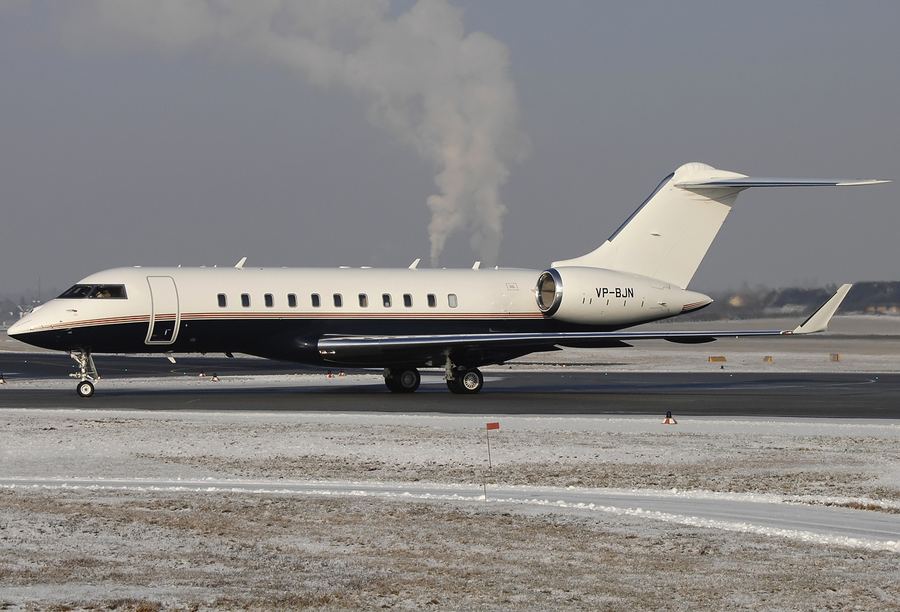
| Category | Special Operations & General Aviation |
| Type | Shared jet ownership |
| Pioneer | NetJets, 1964 |
| Owner | Berkshire Hathaway (NetJets) |
| Share Size | As small as 1/16 |