
Overview
On-demand air charter refers to chartering an entire aircraft for a specific trip on short notice, rather than booking individual seats on a pre-scheduled route, giving passengers control over departure time, routing, and aircraft type. This model serves a wide range of needs, from business travelers needing flexible last-minute trips to group travel and cargo movements, and it's typically arranged either directly with an aircraft operator or through a charter broker. Pricing is generally based on aircraft type, flight time, and positioning costs rather than a fixed per-seat fare, making on-demand charter significantly more expensive per passenger than scheduled airline service but far more flexible. In the United States, on-demand charter operations are regulated separately from the rules that govern scheduled airlines.
History
On-demand chartering predates scheduled commercial aviation, with early aircraft owners renting out planes and pilots for private trips well before regular airline routes existed. The sector grew substantially after World War II as surplus aircraft and trained pilots became widely available, and formal regulatory frameworks distinguishing on-demand charter from scheduled service, such as FAA Part 135 in the United States, were established over subsequent decades. Charter brokers and jet-card membership programs expanded significantly from the 1990s onward, giving travelers more ways to access on-demand flights without owning or directly chartering an aircraft themselves.
Design & Specifications
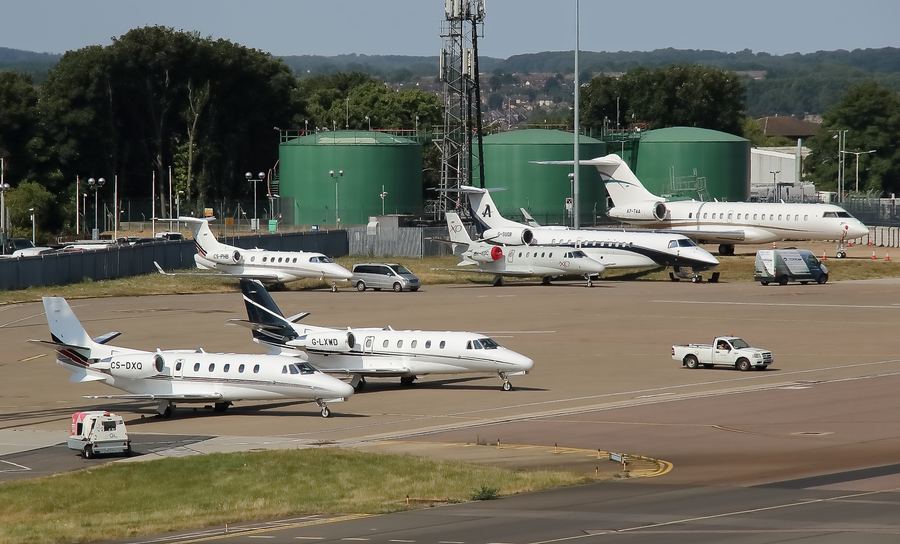
Charter operators maintain fleets ranging from small piston aircraft and light jets up to larger cabin-class jets, matching aircraft size to whatever a specific trip requires rather than offering one fixed type. Charter aircraft interiors frequently include more spacious, business-oriented layouts than a comparably sized airline aircraft, since customers are typically paying for comfort and privacy. Charter brokers, who don't own aircraft themselves, maintain relationships with a network of certified operators and select the best-matched aircraft for each request. Positioning flight logistics are a significant consideration in how operators plan their fleet's home bases, since minimizing empty repositioning flights improves trip profitability.
Operations
Booking a charter typically begins with a customer contacting an operator or broker directly, specifying trip details, after which the operator identifies an available aircraft and crew matching those requirements. Charter flights are dispatched individually rather than following a published schedule, requiring the operator to coordinate ground handling and any necessary permits specifically for that flight. Positioning flights, needed to bring an aircraft to its departure city before a trip, are a routine part of scheduling that operators try to minimize through smart fleet basing. Charter operators must maintain current operating certificates and insurance specific to on-demand passenger carriage, distinct from scheduled airline certification.
References
| Category | Special Operations & General Aviation |
| Type | Whole-aircraft charter |
| Regulated By | FAA Part 135 or equivalent |
| Booking Model | Direct, broker, or jet-card |
| Status | Active worldwide |