
Overview
Airborne command post aircraft are specialized military aircraft configured to serve as mobile communication and command centers, historically exemplified by systems like the US Post-Attack Command and Control System (PACCS), a network of ground and airborne communication sites designed to preserve national command authority over nuclear forces before, during, and after a potential nuclear attack. PACCS included Strategic Air Command assets such as the “Looking Glass” aircraft and mission, along with various hardened ground command and control facilities, all working together to ensure continuity of command under the most extreme circumstances. The Soviet Union's own belief in the reliability of the American PACCS system was considered a crucial component of Cold War-era nuclear deterrence strategy, since it demonstrated the US retained a credible retaliatory command structure even if ground facilities were destroyed. Modern airborne command post aircraft continue this basic mission, providing survivable, mobile command and communication capability for military leadership during major crises or conflicts.
History
Airborne command and control concepts developed significantly during the Cold War, as the threat of nuclear attack drove military planners to seek survivable command structures that couldn't be eliminated by a single strike against fixed ground facilities. The US Post-Attack Command and Control System, including its Looking Glass airborne command post mission that maintained a continuously airborne presence for decades, exemplified this Cold War-era emphasis on survivable, mobile nuclear command capability. The Soviet Union's awareness of PACCS's existence and reliability was considered a crucial component of American nuclear deterrence strategy throughout the Cold War, since it demonstrated the US retained credible retaliatory command authority even under a first-strike scenario. Airborne command post capability has continued evolving since the Cold War's end, adapting to a broader range of crisis and conflict scenarios beyond its original nuclear command and control mission.
Design & Specifications
Airborne command post aircraft carry extensive secure communication equipment supporting command and control functions during a flight.
Operations
Command post crews maintain continuous communication links, relaying orders and information during military operations or crisis response.
References
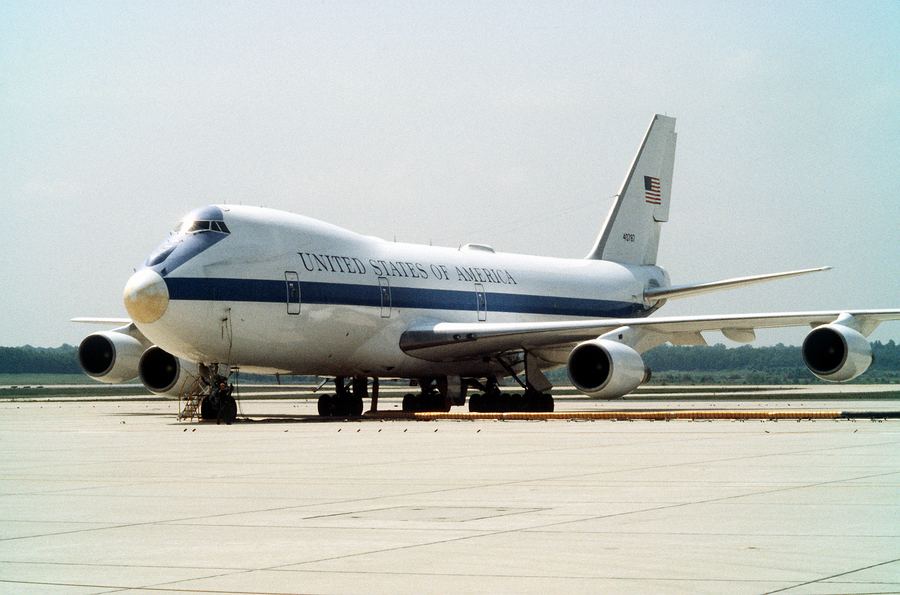
| Category | Military Aviation & Defense Systems |
| Type | Airborne command post |
| Cold War Example | US PACCS / “Looking Glass” |
| Purpose | Survivable command & control |
| Status | Evolved beyond nuclear-only role |