
Overview
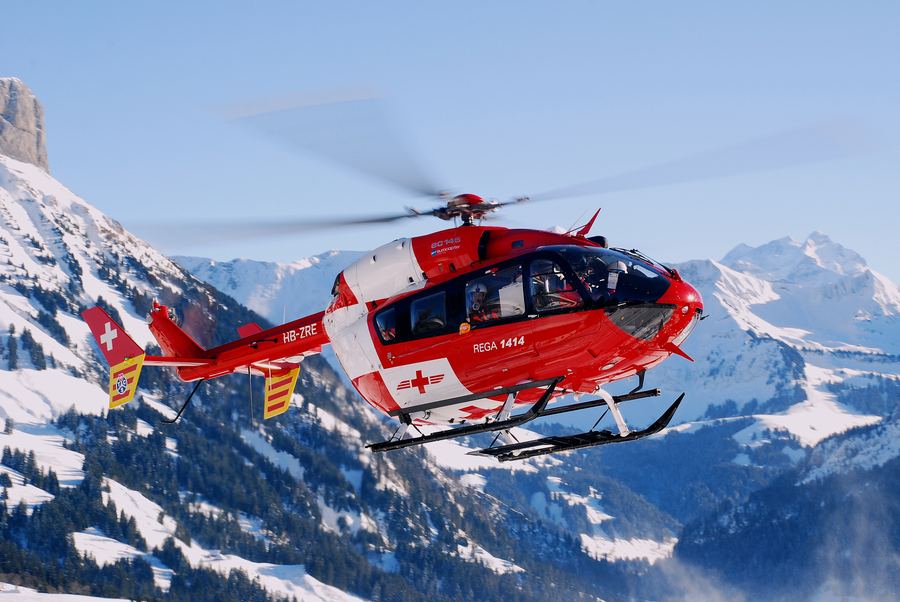
An air ambulance is an aircraft — typically a helicopter or fixed-wing plane — equipped to transport patients requiring urgent or specialized medical care, staffed with paramedics, nurses, or physicians and outfitted with equipment such as ventilators and stretchers. Helicopter air ambulances generally handle short-range emergency response, transporting patients directly from an accident scene or rural hospital to a trauma center, while fixed-wing air ambulances handle longer inter-hospital transfers, including international medical evacuations. The concept traces back to military casualty evacuation during World War I and Korea, and it expanded into civilian emergency medical services starting in the 1970s. Modern operators range from hospital-based and government-run programs to private companies, and the high cost of a flight has made air ambulance billing a recurring subject of health-policy debate in the United States.
History
Military casualty evacuation during World War I and the Korean War established the operational foundations for modern air ambulance service, proving that rapid aerial transport could significantly improve survival for critically injured patients. Civilian helicopter air ambulance programs began expanding in the United States starting in the 1970s, often modeled directly on military medevac procedures developed during the Vietnam War. The sector grew substantially through the 1980s and 1990s as hospital systems and private operators built out dedicated helicopter and fixed-wing fleets, and the high cost of individual flights has made air ambulance billing practices a recurring subject of health-policy debate in the US since the 2010s.
Design & Specifications
Air ambulance cabins are configured around a stretcher securely mounted to the aircraft floor, with medical equipment including cardiac monitors, ventilators, and IV pumps wired into onboard power. Helicopter air ambulances typically carry a pilot plus a two-person medical crew, working in a cabin deliberately designed for medical staff to perform interventions in flight. Fixed-wing air ambulances used for longer transfers often feature a more extensive medical suite, since flight times can extend to several hours. Both types carry dedicated medical oxygen systems separate from any standard aircraft supply, sized for the full expected mission duration.
Operations
A helicopter dispatch typically begins when a 911 center or hospital identifies a patient who would benefit from rapid air transport, triggering a request to the nearest available base. The crew evaluates weather and landing-zone safety before accepting, since helicopter operations are particularly sensitive to poor visibility and unprepared landing sites. At the scene, ground personnel typically secure a landing zone and coordinate by radio, then help transfer the patient once the aircraft has landed safely. Fixed-wing air ambulance operations follow a more conventional flight-planning process, with specific consideration given to cabin pressurization effects on a critically ill patient.
See also
References
| Category | Special Operations & General Aviation |
| Type | Emergency medical transport |
| Platform | Helicopter / fixed-wing |
| Origin | WWI & Korea casualty evac |
| Staffed By | Paramedics, nurses, doctors |