
Overview
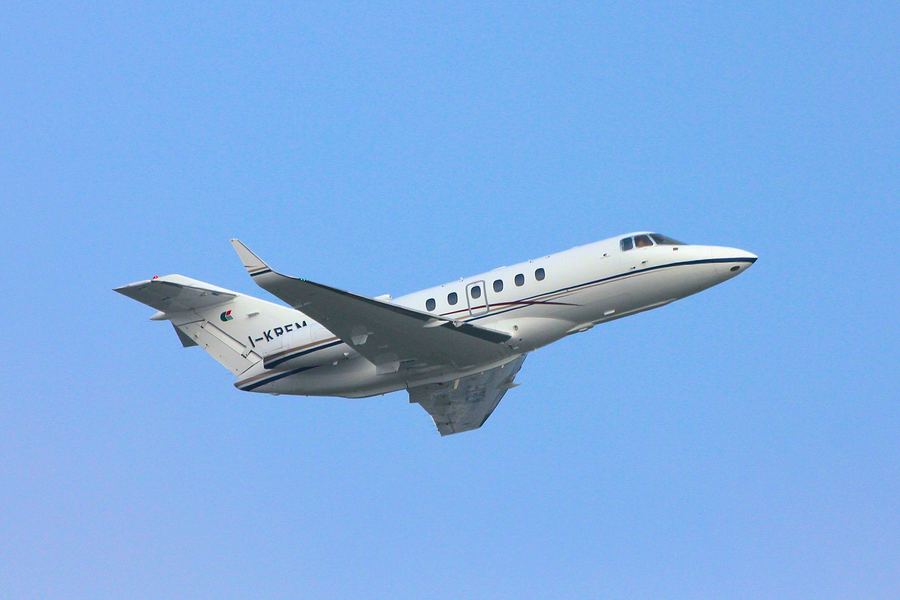
Corporate shuttle operations use company-owned or leased aircraft to move employees, executives, or clients between company facilities, often on a recurring schedule rather than a one-off charter basis. Large corporations with operations spread across multiple cities — particularly manufacturing, energy, and technology companies — have historically used dedicated corporate aircraft to keep staff moving efficiently between sites without relying on commercial airline schedules. These operations typically fall under business aviation regulations rather than commercial airline rules, since the flights serve internal company purposes rather than the general public. Aircraft used range from small turboprops for short regional hops to mid-size business jets for longer routes between corporate sites.
History
Corporate aircraft ownership expanded significantly after World War II as manufacturing and energy companies with operations spread across multiple cities sought faster alternatives to commercial airline schedules. The business aviation sector grew substantially through the 1960s and 1970s as smaller business jets became available, letting mid-sized companies operate their own shuttle service rather than relying solely on major corporations' larger fleets. Corporate shuttle operations remain governed by business aviation regulations distinct from commercial airline rules, since the flights serve internal company purposes rather than the paying public.
Design & Specifications
Corporate shuttle aircraft are selected based on the specific city-pairs a company needs to serve, with turboprops for short regional hops and midsize business jets for longer routes between company sites. Cabin layouts typically favor higher-density seating over the spacious configurations found in aircraft used purely for executive travel, since shuttle flights prioritize moving more employees per trip. Many corporate flight departments maintain shuttle aircraft to a stricter maintenance schedule than charter operators, since downtime directly disrupts internal company travel. Larger companies sometimes assign consistent crews to specific routes, building operational familiarity similar to a small scheduled airline.
Operations
Corporate shuttle flights typically operate on a fixed, recurring schedule tied to a company's business rhythms, such as daily flights between headquarters and a manufacturing site. A dedicated flight department, either employed directly or contracted, handles scheduling, crew assignment, and maintenance coordination for the shuttle fleet. Because routes repeat so consistently, ground handling procedures at each regularly served airport tend to become highly standardized over time. Some companies coordinate the shuttle schedule closely with internal meeting calendars, effectively treating it as an extension of internal transportation infrastructure.
References
| Category | Special Operations & General Aviation |
| Type | Business aviation transport |
| Aircraft | Turboprops to business jets |
| Regulated By | Business aviation rules |
| Purpose | Inter-site staff travel |