
Overview
Aerodynamics is the study of the motion of air, particularly when it interacts with a solid object such as an aircraft wing, drawing on the broader fields of fluid dynamics and gas dynamics. The formal, modern study of aerodynamics began in the eighteenth century, although observations of basic concepts like aerodynamic drag had been recorded much earlier. Aerodynamics underpins essentially every aspect of aircraft design, from wing shape and engine placement to overall stability, and it remains a core discipline within aeronautics and aerospace engineering. Understanding how air behaves around a moving object lets engineers predict and optimize an aircraft's lift, drag, and overall flight performance before it ever leaves the ground.
History
The formal, modern study of aerodynamics began in the eighteenth century, building on earlier scattered observations of drag and airflow behavior recorded by natural philosophers and early experimenters. Sir George Cayley's work in the early 19th century is widely credited with establishing the fundamental principles of fixed-wing flight, separating the concepts of lift, drag, and thrust decades before powered flight was achieved. The Wright brothers' own wind tunnel testing in the early 1900s marked a turning point, applying rigorous aerodynamic experimentation directly to practical aircraft design rather than theory alone. Aerodynamics matured rapidly through the 20th century alongside two World Wars and the jet age, evolving from an experimental discipline into a highly mathematical field underpinning every stage of modern aircraft design.
Design & Specifications
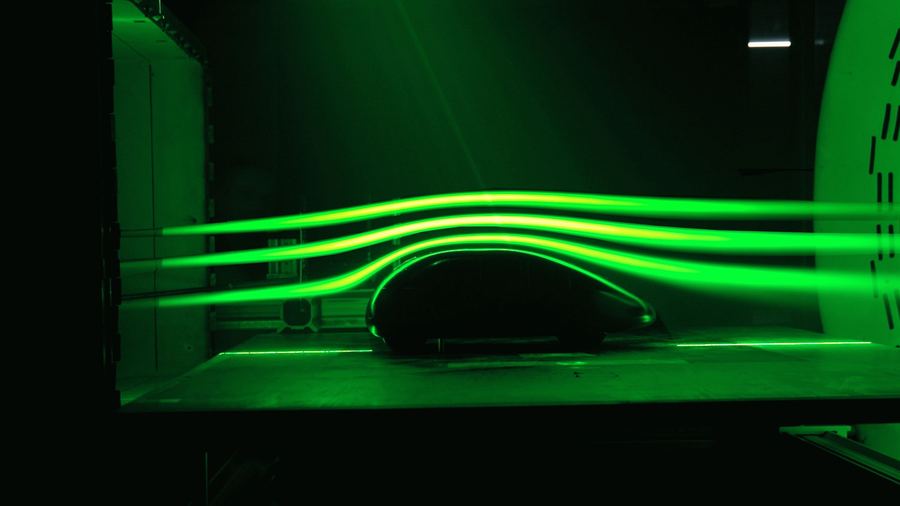
Aerodynamic analysis uses mathematical models and wind tunnel or computational testing to predict how air will behave around a specific aircraft shape at various speeds and angles.
Operations
Engineers apply aerodynamic principles throughout design and testing, refining shapes iteratively to balance lift, drag, and stability before an aircraft ever flies.
References
| Category | Aerodynamics & Aircraft Anatomy |
| Type | Physics of air motion |
| Modern Study Began | 18th century |
| Key Early Figure | Sir George Cayley |
| Field | Fluid dynamics |