
Overview
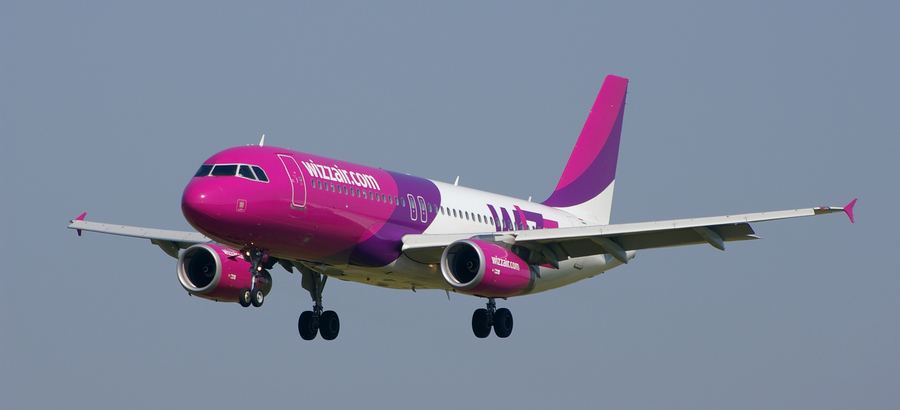
Ultra-low-cost carriers (ULCCs) push the low-cost airline model further, offering minimal inclusions in the base fare and charging separately for nearly everything else, from seat assignment to carry-on bags. In the United States, Allegiant Air, Avelo Airlines, Frontier Airlines, and Sun Country Airlines are commonly classified as ULCCs. In Europe, Ryanair and Wizz Air are the most prominent examples of the model, while similar carriers operate the same playbook in parts of Asia.
History
Spirit Airlines' shift toward an ultra-low-cost model in the 2000s, unbundling nearly every service into an optional paid add-on, helped define the modern ULCC category in the United States, followed by carriers like Allegiant, Frontier, and Avelo adopting similar strategies. In Europe, Ryanair pushed the same unbundled-fare approach starting in the 1990s, later joined by Wizz Air expanding the model across Central and Eastern Europe. Spirit Airlines, long the largest US ULCC, filed for bankruptcy protection amid post-pandemic financial pressure and ultimately shut down operations in May 2026 after a proposed bailout fell through, marking one of the most significant airline failures of the mid-2020s.
Design & Specifications
Ultra-low-cost carrier fleets, like standard low-cost carriers, are typically standardized around a single narrow-body aircraft family, but configured with even higher seat density and minimal onboard amenities to maximize revenue per flight. Seat pitch is often reduced to the minimum allowed by aviation safety regulations, and many ULCCs remove seatback amenities entirely, charging separately for anything beyond a basic seat. High aircraft utilization is central to the ULCC model, with carriers scheduling more flight cycles per day per aircraft than full-service competitors by minimizing ground time between flights. Ancillary revenue systems, covering everything from seat selection to carry-on bags to in-flight purchases, are built directly into the booking and check-in process, since these fees can represent a substantial share of a ULCC's total revenue per passenger.
Operations
ULCC operations prioritize maximum aircraft utilization above nearly every other consideration, scheduling tight turnarounds and long flying days to extract as many revenue-generating flight hours as possible from each aircraft. Ancillary revenue collection is built directly into the booking and airport check-in process, with staff trained to offer and charge for optional services like seat selection, bag fees, and priority boarding at multiple points in the passenger journey. ULCCs frequently operate from secondary airports with lower landing fees and less congestion, further supporting the quick-turnaround operational model the business depends on. Because margins on the base fare alone are thin, ULCC operations are especially sensitive to fuel price swings and unexpected cost increases, making disciplined cost control a constant operational focus.
See also
References
| Category | Airline Business Models & Carrier Types |
| Type | ULCC / no-frills airline |
| Examples | Allegiant, Ryanair, Wizz Air |
| Model | Unbundled base fare |
| Status | Growing segment |