
Overview
In aviation, visual flight rules (VFR) are a set of regulations under which a pilot operates an aircraft in weather conditions clear enough for the pilot to see where the aircraft is going, specifically requiring conditions better than the basic VFR weather minima, known as visual meteorological conditions (VMC), as defined by the relevant aviation authority. Under VFR, the pilot must be able to operate the aircraft with visual reference to the ground and must visually avoid obstructions and other aircraft, rather than relying primarily on instruments. If weather conditions fall below VMC, pilots are required to switch to instrument flight rules, operating the aircraft primarily by reference to cockpit instruments rather than the outside view. VFR remains the most common way that general aviation pilots fly, particularly for recreational and training flights, since it doesn't require the additional certification and aircraft equipment that instrument flight demands.
History
Visual flight rules represent the original, foundational method of flying, dating back to aviation's earliest days before any instrument flight capability existed at all, when pilots had no choice but to navigate and control their aircraft entirely by outside visual reference. Formal VFR weather minima and certification requirements were established alongside the broader development of national aviation regulatory frameworks in the 1920s and 1930s, as governments began distinguishing between visual and instrument flight for licensing and operational purposes. The relationship between VFR and instrument flight rules was formalized further as instrument flight technology matured through the mid-20th century, with clear regulatory lines drawn between the two categories based on weather conditions and pilot certification. VFR has remained the foundation of most general aviation and recreational flying for over a century, even as instrument flight capability has become increasingly essential for commercial and all-weather aviation operations.
Design & Specifications
VFR flight requires specific minimum visibility and cloud clearance conditions, verified before departure and monitored throughout the flight.
Operations
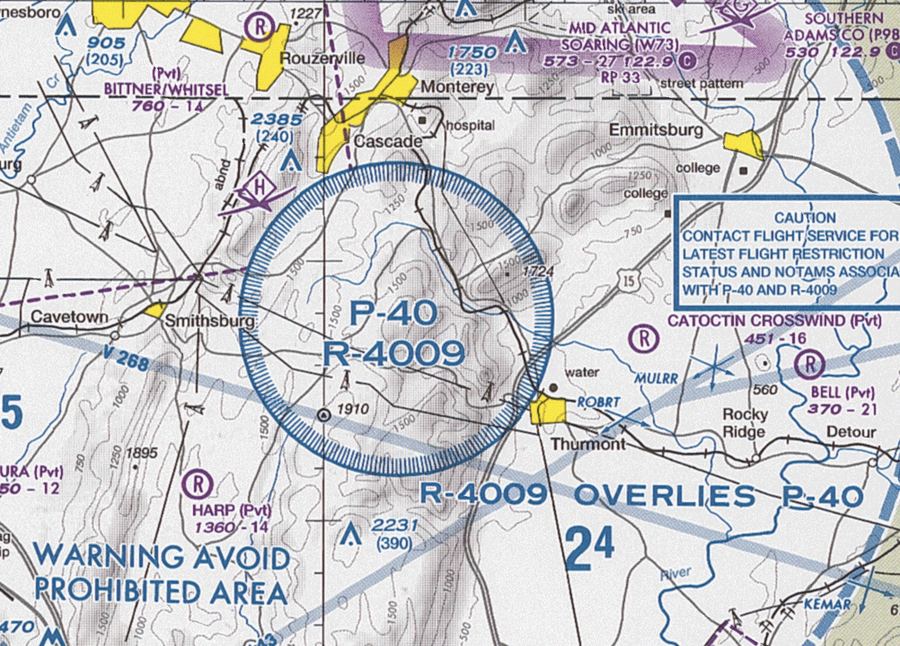
Pilots flying under VFR navigate primarily by visual reference to the ground and must see and avoid other aircraft and obstacles without relying on instrument guidance.
References
| Category | Navigation, Meteorology & Rules |
| Type | Visual-reference flight regulation |
| Requirement | VMC weather minima |
| Origin | Aviation's earliest days |
| Alternative | Instrument Flight Rules (IFR) |