
Overview
Charter airlines rent out an entire aircraft for a single trip, rather than selling individual seats the way scheduled airlines do, and they operate under separate non-scheduled service regulations from their home country's aviation authority. In the United States, this activity falls under FAA Part 135 rules, distinct from the scheduled-service rules that govern conventional airlines. The charter market spans several business models, from operators who own and fly the aircraft themselves, to brokers who arrange flights on a client's behalf, to jet-card programs offering a fixed hourly rate across a category of aircraft. Fleets range from small turboprops and light jets up to full-size airliners; some charter operators have historically flown wide-body jets for large group trips.
History
Charter flying predates scheduled commercial aviation in some respects, with early operators renting aircraft and pilots for private trips before regular airline routes existed. The charter sector grew substantially after World War II as surplus transport aircraft and trained pilots became widely available, and package-holiday charter flying became a major business across Europe from the 1960s onward. Regulatory frameworks separating charter from scheduled service, such as the FAA's Part 135 rules in the United States, were formalized over subsequent decades as the charter industry matured into distinct business-jet, cargo, and passenger-group segments. The rise of jet-card programs and fractional charter brokers from the 1990s onward further diversified how charter flights are booked and sold.
Design & Specifications
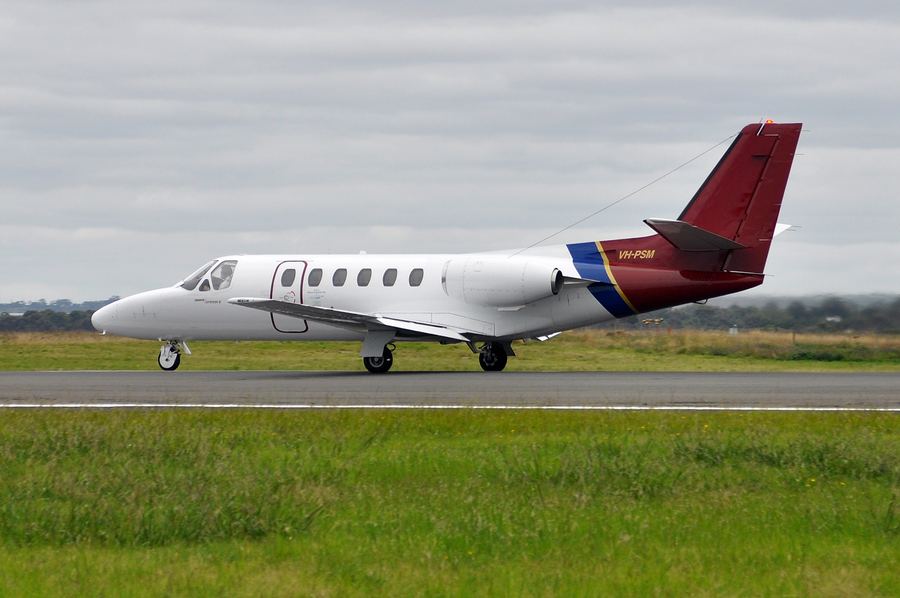
Charter airline fleets are typically more varied than scheduled carriers, since operators tailor aircraft type to each specific trip's passenger count and route distance rather than committing to a single standardized fleet. Aircraft range from small turboprops and light jets for short regional charters up to full-size airliners for large group or long-haul charter trips, and some operators maintain a mixed fleet specifically to serve this range of demand. Charter aircraft cabins are sometimes configured differently from scheduled-service equivalents, since operators can adjust seating density, add conference or lounge areas, or otherwise customize the cabin layout for a specific client's needs. Positioning flights, in which an aircraft flies empty to reach the departure city for a charter, represent an operational cost unique to the charter business model that scheduled airlines generally don't face in the same way.
Operations
Charter flight operations are booked and scheduled on a trip-by-trip basis rather than following a fixed published schedule, requiring more manual coordination for each individual flight than a scheduled airline's largely automated systems. Operators must factor positioning flights into their operational planning, since an aircraft often needs to fly empty to its departure city before a charter trip and then return empty or reposition for its next booking afterward. Charter operations require close coordination with each departure and arrival airport individually, since charter flights don't have the same standing gate and slot arrangements that scheduled carriers maintain at major airports. Crew scheduling for charter operations must remain highly flexible, since trip requests can arrive with relatively short notice compared to the months of advance planning a scheduled airline uses.
References
| Category | Airline Business Models & Carrier Types |
| Type | Non-scheduled air carrier |
| Regulated By | FAA Part 135 (US) or equivalent |
| Booking Model | Whole-aircraft charter |
| Fleet Range | Light jets to airliners |