
Overview
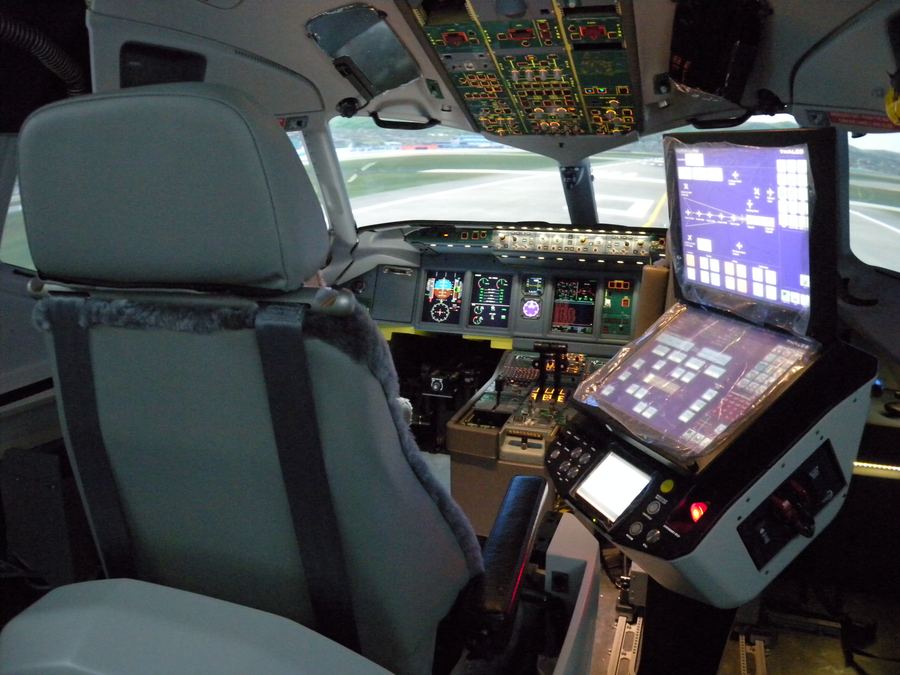
A type rating is an authorization added to a pilot's license, stating the pilot's privileges or limitations regarding a specific aircraft type, and it requires additional training beyond the scope of the pilot's initial license and general aircraft class training. In the United States, a 12,500-pound weight threshold has determined which aircraft require a type rating since 1952, a limit likely chosen because it represented half the gross takeoff weight of the Douglas DC-3, a common reference aircraft at the time. The International Civil Aviation Organization has worked to harmonize type rating standards internationally, though individual countries retain authority over specific implementation details. Modern type rating training relies heavily on full-flight simulators, letting pilots practice emergency procedures and complex scenarios that would be far too dangerous or impractical to safely rehearse in the actual aircraft.
History
The concept of aircraft type-specific certification developed alongside the growing complexity and diversity of aircraft through the early-to-mid 20th century, as regulators recognized that flying skills didn't automatically transfer between substantially different aircraft types. The US 12,500-pound weight threshold for requiring a type rating was established in 1952, creating a clear regulatory line between aircraft simple enough for general pilot certification to cover and those complex enough to demand type-specific training. International harmonization of type rating standards developed over subsequent decades as the International Civil Aviation Organization worked to align requirements across different countries' aviation authorities. Full-flight simulator technology, which matured significantly from the 1970s onward, transformed type rating training by letting pilots safely practice emergency procedures and complex scenarios that would be far too dangerous to rehearse in an actual aircraft.
Design & Specifications
Type rating training combines classroom instruction, simulator sessions, and supervised flight time specific to one aircraft type's systems and handling.
Operations
Pilots complete type rating training and testing before being authorized to fly a specific aircraft type, with recurring training required to maintain currency.
See also
References
| Category | Aviation Business & Pilot Operations |
| Type | Aircraft-specific pilot authorization |
| US Threshold | 12,500 lb (since 1952) |
| Key Training Tool | Full-flight simulators |
| Standard Body | ICAO (harmonization) |