
Overview
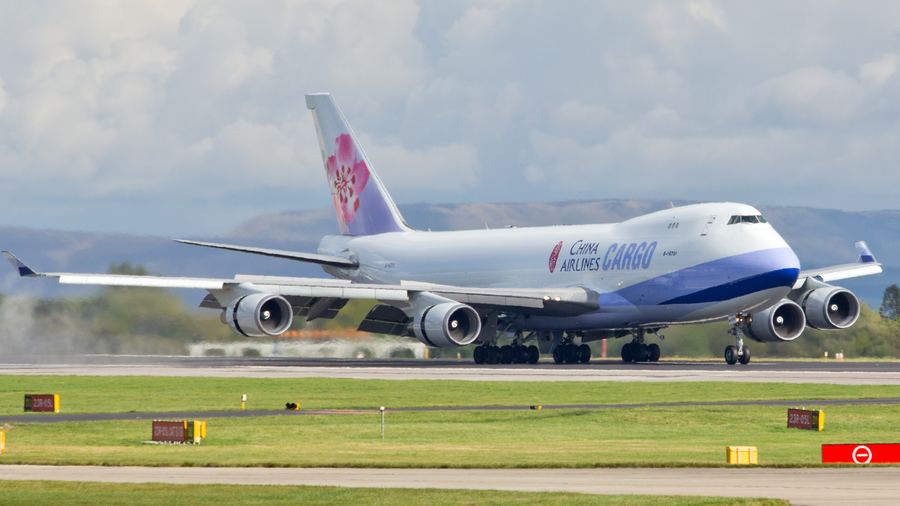
All-cargo carriers are airlines built specifically around moving freight rather than passengers, operating dedicated fleets of cargo aircraft rather than carrying goods in the belly holds of passenger jets. Companies such as FedEx, UPS, and DHL exemplify this model, running the full freight process themselves from pickup to final delivery. Many cargo carriers rely on older aircraft types retired from passenger service, including converted Boeing 727s, DC-8s, and MD-11s, since freight operations place less emphasis on cabin comfort and more on payload capacity. Cargo flights also skew heavily toward overnight scheduling, and cargo pilots tend to have steadier job security than their passenger-airline counterparts because freight demand fluctuates less than passenger demand.
History
Dedicated air cargo operations trace back to the earliest days of aviation, when mail contracts gave airlines their first reliable revenue streams before passenger travel became widespread. Purpose-built cargo carriers expanded significantly after World War II, as surplus military transport aircraft became available cheaply and international trade began recovering. FedEx's founding in 1971 and its rapid growth through the 1970s and 1980s established the modern integrated express-cargo model, later followed by UPS's own move into air freight and DHL's international expansion. E-commerce growth since the 2000s, and a further surge during the COVID-19 pandemic, has driven continued expansion of dedicated freighter fleets industry-wide.
Design & Specifications
All-cargo carriers typically operate freighter aircraft that have been either purpose-built or converted from passenger variants, with a large forward or main-deck cargo door, a reinforced cabin floor rated for heavy freight, and no passenger windows or seating. Converted freighters, often older Boeing 727, DC-8, or MD-11 airframes past their useful passenger-service life, remain common because a used freighter conversion costs considerably less than a purpose-built cargo jet. Cargo aircraft interiors are built around a rigid rail and roller system that lets unit load devices and pallets slide into position and lock down securely for flight. Because cargo doesn't require the same cabin pressurization comfort or amenities as passengers, cargo aircraft can also be configured to carry unusually large or heavy individual items that wouldn't fit through a standard passenger door.
Operations
Cargo airline operations typically run on a heavily overnight schedule, since shippers want freight collected during business hours, sorted and flown overnight, and delivered again during the next business day. Load planning is a critical operational function, since cargo aircraft must be loaded to precise weight and balance specifications, and unlike passengers, cargo shipments vary enormously in weight, size, and density from flight to flight. Ground handling for cargo operations differs substantially from passenger handling, requiring specialized equipment like main-deck cargo loaders and forklifts rather than jet bridges and baggage carts. Cargo airlines often operate with smaller crews and less passenger-facing infrastructure than passenger carriers, letting them run leaner ground operations at the airports they serve.
References
| Category | Airline Business Models & Carrier Types |
| Type | Dedicated cargo airline |
| Examples | FedEx, UPS, DHL |
| Fleet Focus | Freighter aircraft |
| Key Metric | Tonne-kilometres flown |