
Overview
Military aviation encompasses the design, development, and operational use of aircraft for national defense, including fighters, bombers, transport aircraft, reconnaissance planes, and military helicopters, operated by a country's air force, army, navy, or other armed services. Its origins trace to the early 20th century, when aircraft were first used for battlefield reconnaissance during World War I before rapidly evolving into dedicated fighter and bomber roles by the war's end. Military aircraft development has historically driven much of the broader aerospace industry's technological progress, from jet propulsion and radar to composite materials and fly-by-wire flight controls, with many innovations later filtering into civilian aviation. Modern military aviation spans a wide range of specialized aircraft types, from stealth fighters and long-range bombers to unmanned combat drones and airborne early-warning aircraft.
History
Military aviation began in earnest during World War I, when aircraft first saw significant use for battlefield reconnaissance before rapidly evolving into dedicated fighter and bomber roles by the war's end in 1918. The interwar period and World War II drove enormous advances in aircraft speed, range, and armament, cementing air power as a central component of modern warfare. Jet propulsion, radar, and eventually guided missiles transformed military aviation through the Cold War era, and many of these military-driven technologies later filtered into civilian aviation, from jet engines to composite airframe materials and fly-by-wire flight controls.
Design & Specifications
Military aircraft design varies enormously by role, spanning stealthy fighters, large transport aircraft, and hardened reconnaissance platforms, each optimized around a specific combat or support function. Military airframes are typically built to withstand far greater structural stress than civilian equivalents, reflecting the high-G maneuvering and combat damage tolerance military missions demand. Avionics and sensor suites are generally far more sophisticated than civilian equivalents, integrating radar, electronic warfare systems, and secure communications built for contested environments. Military aircraft procurement cycles typically span many years from initial concept to operational service, reflecting the cost and complexity of developing a new combat-capable airframe.
Operations
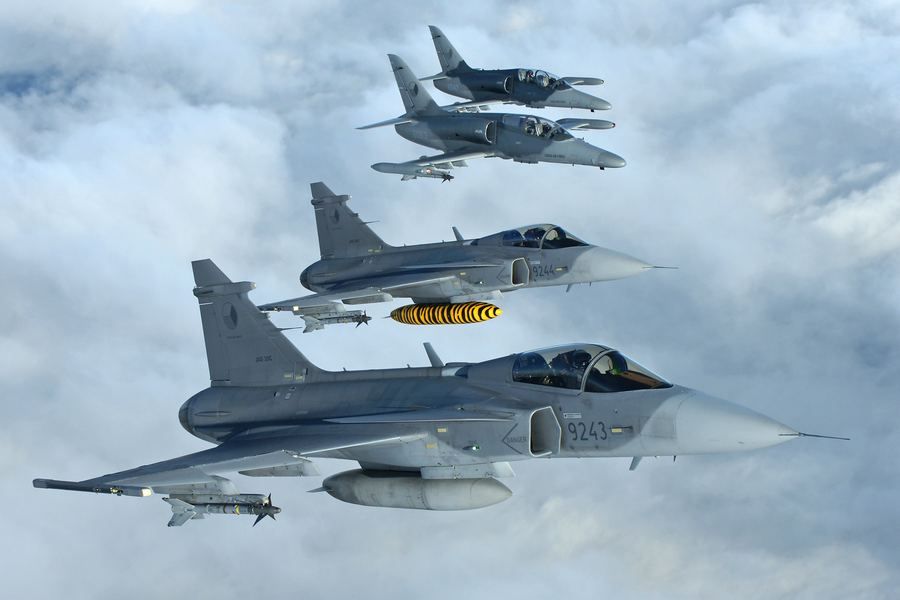
Military aviation operations are organized around a formal command structure, with missions planned and authorized through a chain of command extending from national defense leadership to individual squadron commanders. Mission planning typically involves detailed coordination between multiple aircraft types working together as an integrated package rather than flying independently. Training operations make up a substantial share of everyday military aviation activity, since maintaining aircrew proficiency requires continuous practice even outside active combat. Peacetime military aviation frequently includes humanitarian and disaster relief missions, deploying the same aircraft and crews used for combat operations.
References
| Category | Special Operations & General Aviation |
| Type | Defense aviation |
| Origin | WWI reconnaissance |
| Scope | Fighters, bombers, transport, UAVs |
| Status | Active worldwide |