
Overview
A commercial pilot licence (CPL) permits its holder to act as a pilot of an aircraft and be paid for their services, distinguishing it from a private pilot licence, which does not allow paid flying. Separate CPLs are issued for different aircraft categories, including airplanes, helicopters, gliders, airships, gyroplanes, and balloons, and depending on the jurisdiction these may appear on the same or separate documents. A CPL typically has no expiry date itself, but using it requires a valid medical certificate along with any relevant type or class rating for the aircraft being flown. Additional ratings can be added to a CPL, such as an instrument rating permitting flight under instrument flight rules, or an instructor or examiner rating allowing the holder to train and evaluate other pilots.
History
Commercial pilot licensing developed alongside the broader growth of commercial aviation in the 1920s and 1930s, as governments began requiring formal certification for pilots being paid to fly. The International Civil Aviation Organization, established in 1944, later worked to harmonize baseline CPL standards internationally, though individual countries retained authority over exact implementation and additional requirements. The modern rating system — allowing instrument, instructor, and examiner privileges to be added to a base CPL — was formalized over subsequent decades as aviation authorities expanded the range of specialized skills pilots could be certified to perform.
Design & Specifications
Commercial pilots train across a progression of aircraft complexity, building flight hours and skills through structured lesson plans and check rides at each certification stage.
Operations
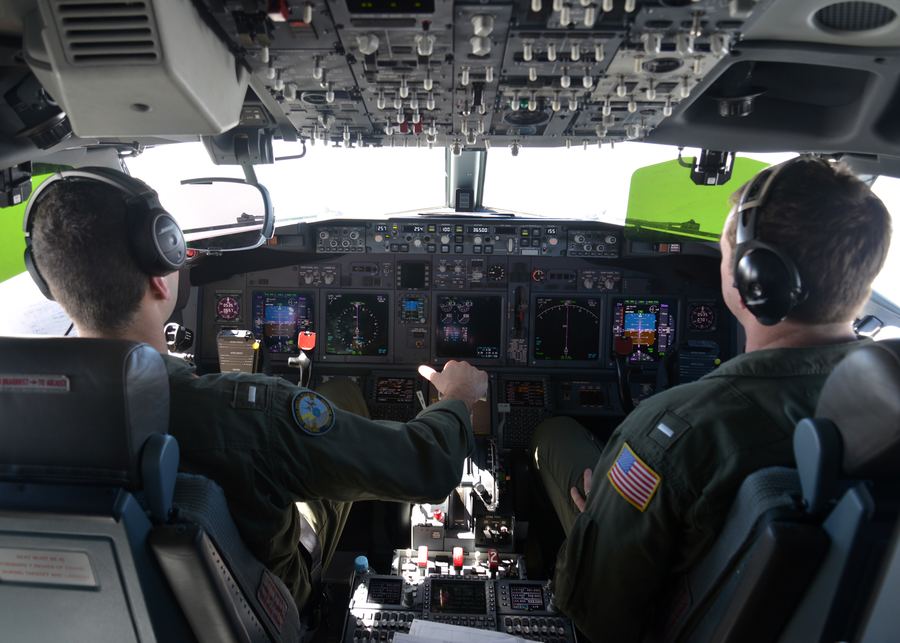
Commercial pilots fly for compensation across roles including charter, corporate, and cargo operations, following the same regulatory duty and rest requirements that govern professional flying.
References
| Category | Aviation Personnel |
| Type | Paid pilot certification |
| Certificate | Commercial Pilot Licence (CPL) |
| Adds To | Private Pilot Licence |
| Optional Add-Ons | Instrument, instructor ratings |