
Overview
Weather reconnaissance is the acquisition of weather data used for research and operational planning, with the term typically referring specifically to observing weather conditions from the air, as opposed to from ground-based stations. Helicopters aren't built to withstand the severe turbulence encountered in hurricane rainbands and eyewalls, largely because a helicopter derives all of its lift from its rotating blades, which are especially vulnerable to breaking off under extreme hurricane conditions. The Lockheed C-130 Hercules is widely used as a weather reconnaissance aircraft, with several different specialized versions built specifically for this mission, most famously flying directly into tropical storms and hurricanes to gather data used in forecasting. These “Hurricane Hunter” missions provide meteorologists with direct, in-situ measurements of storm intensity and structure that satellite observation alone cannot capture, making them a critical input for accurate hurricane forecasting and warning systems.
History
Military weather reconnaissance began during World War II, as forecasters recognized that direct atmospheric observation from aircraft could provide far more accurate and timely weather data than ground-based observation alone. Hurricane reconnaissance specifically began in 1943, when a US Army Air Forces pilot flew directly into a hurricane on what started as an informal bet, demonstrating that aircraft could safely penetrate storm systems to gather valuable data. The US military and, later, NOAA formalized dedicated hurricane hunter reconnaissance programs in the following decades, developing specialized aircraft and procedures specifically for safely flying into tropical storm systems. Modern weather reconnaissance aircraft continue this mission using increasingly sophisticated instrumentation, and the direct, in-situ storm data they gather remains a critical input for hurricane forecasting that satellite observation alone still cannot fully replace.
Design & Specifications
Weather reconnaissance aircraft carry instrument packages and dropsonde launchers for gathering atmospheric data directly within storm systems.
Operations
Hurricane Hunter crews fly repeated passes through storms, releasing dropsondes and recording data used directly in forecasting models.
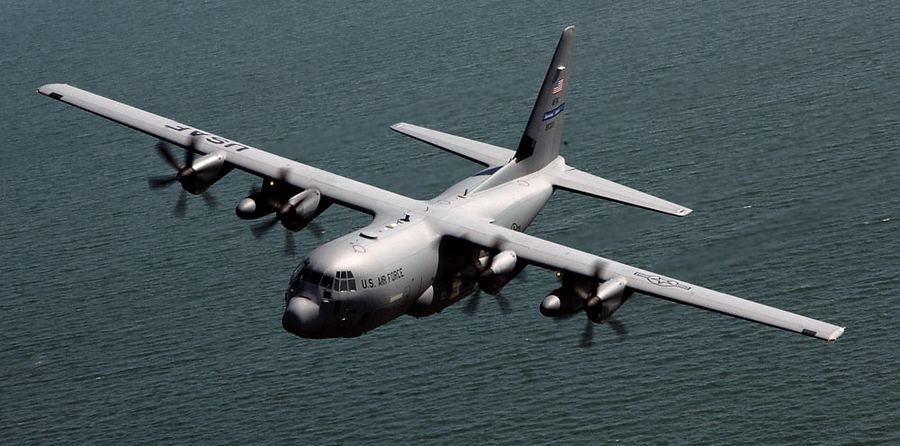
| Category | Military Aviation & Defense Systems |
| Type | Weather data-gathering aircraft |
| Nickname | Hurricane Hunters |
| First Hurricane Flight | 1943 (informal bet) |
| Key Aircraft | Lockheed C-130 Hercules |