
Overview
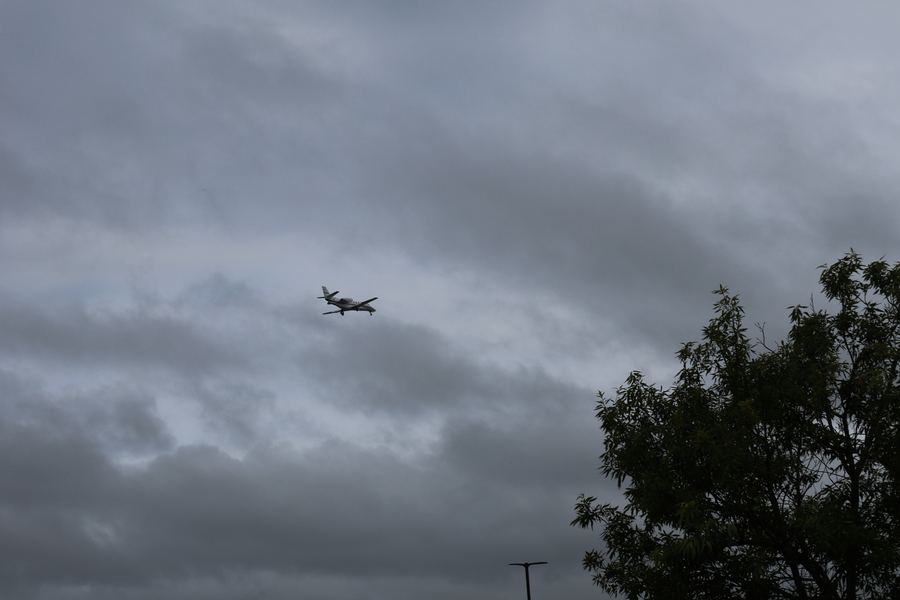
General aviation is a broad category covering all civil aviation activity outside of scheduled commercial airline service and military operations, encompassing everything from private recreational flying and flight training to business aviation, agricultural flying, and emergency medical flights. It represents the vast majority of aircraft and airports worldwide by count, even though it carries a much smaller share of total passenger traffic than the airline industry. General aviation aircraft range from ultralights and single-engine piston trainers to turboprops and business jets, and pilots operate under a wide range of certificate levels depending on the complexity of the aircraft and type of flying. Because it includes such a broad mix of activities, general aviation is often used as a catch-all term distinguishing non-airline, non-military flying from the rest of the industry.
History
General aviation's origins trace to the earliest days of powered flight, when nearly all flying fell outside any formal commercial or military structure. As airlines and military aviation developed into distinct, heavily regulated categories through the early-to-mid 20th century, “general aviation” emerged as the catch-all term for everything else — private flying, flight training, agricultural aviation, and business aviation among them. The sector expanded significantly in the decades following World War II as surplus aircraft and trained pilots became widely available, and it has remained the largest segment of aviation activity by aircraft and airport count ever since, even as its share of total passenger traffic remains small compared to the airline industry.
Design & Specifications
General aviation aircraft span an enormous design range, from simple single-engine trainers weighing under a thousand pounds to sophisticated intercontinental business jets, all under the same broad regulatory category. Aircraft are typically certified under different standards depending on complexity, with lighter aircraft subject to less stringent requirements than larger designs. Ownership structures range from sole individual owners to flying clubs sharing a single aircraft, to fractional and charter arrangements providing access without direct ownership. Because the category covers such a wide range of missions, general aviation airports vary enormously, from small grass strips to substantial reliever airports serving business jets.
Operations
General aviation operations range enormously in complexity, from a single pilot flying a local pattern circuit to a business jet crew navigating an international trip with customs stops. Flight planning requirements scale with complexity, with simple local flights needing minimal formal planning while cross-country flights typically involve the same flight-plan filing used by commercial aviation. Airport operations supporting general aviation are typically far less standardized than commercial operations, since pilots often self-manage much of their own ground handling at smaller airports. Because the category covers such a broad range of purposes, operational patterns and regulatory oversight vary considerably depending on the activity involved.
See also
References
| Category | Special Operations & General Aviation |
| Type | Non-airline, non-military aviation |
| Scope | Private, training, business, ag |
| Regulated By | National aviation authority |
| Status | Largest sector by aircraft count |