Overview
Flight training operations teach students to fly, ranging from small local flight schools offering private pilot certificates to large academies producing airline-track cadets through structured multi-year programs. Training typically progresses through recognized certificate levels — private, instrument, commercial, and airline transport pilot — each adding flight hours and skills required by national aviation authorities. Flight schools operate a mix of small single-engine trainer aircraft alongside flight simulators used for procedures and instrument training. Growing pilot demand since the 2010s, driven by airline retirements and fleet expansion, has led to a global expansion of dedicated cadet and ab-initio training programs run directly by airlines or partner academies.
History
Formal flight training structures emerged alongside early national aviation authorities in the 1920s and 1930s, as governments began requiring standardized certification for pilots. The certificate progression used today — private, instrument, commercial, and airline transport pilot — was formalized over subsequent decades as aviation authorities like the FAA and its international counterparts matured their regulatory frameworks. Growing pilot demand since the 2010s, driven by a wave of airline pilot retirements and fleet expansion, has led major airlines to increasingly run or partner directly with dedicated cadet and ab-initio training academies rather than relying solely on independent flight schools.
Design & Specifications
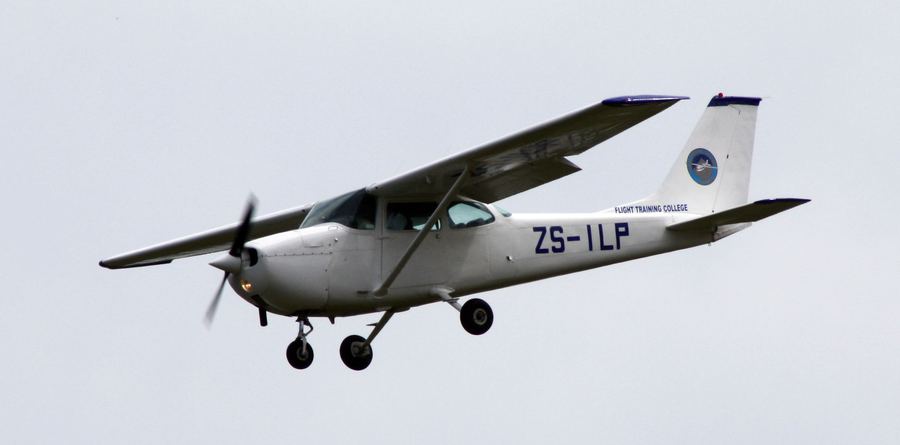
Trainer aircraft are equipped with dual flight controls, letting an instructor take over immediately if needed, along with simplified avionics that keep the panel manageable for beginners. Tandem-seat trainers place the instructor behind the student, common in military training, while side-by-side trainers let both occupants see the same instruments, the more common civilian configuration. Flight training fleets typically include aircraft matched to specific training stages, from simple trainers for early lessons to higher-performance aircraft for advanced training. Many schools also operate flight simulators alongside their fleet, letting students practice procedures and emergencies on the ground first.
Operations
Flight training follows a structured syllabus, with each lesson building on previously mastered skills, progressing from basic aircraft control through takeoffs, landings, and eventually advanced maneuvers. Instructors and aircraft are scheduled in advance through the school's booking system, coordinating availability, weather windows, and instructor schedules across many students. Maintenance turnaround must be tightly managed, since training aircraft fly far more frequently than a comparable personally owned aircraft, accumulating hours quickly. Ground instruction covering regulations, weather, and aircraft systems is interspersed with flight lessons throughout a typical program.
References
| Category | Special Operations & General Aviation |
| Type | Pilot training |
| Path | Private → Instrument → Commercial → ATP |
| Aircraft Used | Cessna 172, Piper Cherokee |
| Status | Growing demand since 2010s |