
Overview
Air taxi services provide on-demand, unscheduled flights typically using small aircraft to carry a handful of passengers between smaller airports, bypassing the connections and security lines of scheduled airline travel. They occupy a niche between full charter operations and scheduled regional airlines, often flying point-to-point routes not well served by major carriers. In the United States, most air taxi operations are regulated under the same on-demand rules that govern charter flights. The category has drawn renewed attention in the 2020s as companies develop electric vertical takeoff and landing (eVTOL) aircraft intended for short-hop urban air taxi services, though these remain in early testing and certification stages.
History
On-demand air taxi service developed alongside general aviation through the mid-20th century, filling gaps in air travel between communities too small for scheduled airline service. FAA Part 135 rules, formalized to distinguish on-demand charter operations from scheduled airline service, gave the sector a clear regulatory framework it has operated under for decades. Renewed interest in the category emerged in the 2020s as companies began developing electric vertical takeoff and landing (eVTOL) aircraft intended for short urban air taxi routes, though these remain in early testing and certification stages.
Design & Specifications
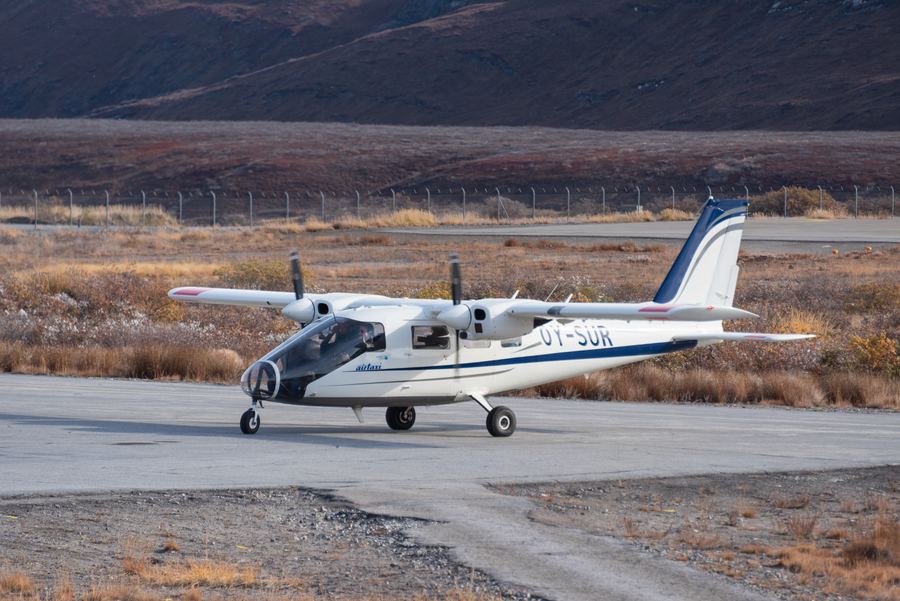
Air taxi operators typically fly small, single- or twin-engine aircraft seating between four and nine passengers, chosen for their ability to operate from shorter regional runways. Cabin configurations favor quick boarding over the amenities found in larger charter aircraft, since air taxi trips are generally shorter and more frequent. Emerging eVTOL designs use multiple small electric rotors instead of a single large one, aiming for quieter operation suited to flying closer to populated areas. Existing air taxi fleets are typically maintained by small, independent operators rather than large centralized maintenance organizations.
Operations
Air taxi bookings are typically made directly with the operator or through a booking platform, scheduled on much shorter notice than scheduled airline travel typically requires. Because routes connect smaller airports rather than major hubs, passengers generally experience minimal security and boarding wait compared to a commercial flight. Operators plan routes taking advantage of the shorter runways many air taxi aircraft can use, opening direct routes to communities larger aircraft couldn't practically serve. As eVTOL aircraft mature, urban air taxi operators are expected to rely on dedicated vertiport infrastructure within cities rather than conventional airports.
References
| Category | Special Operations & General Aviation |
| Type | On-demand small-aircraft service |
| Regulated By | FAA Part 135 or equivalent |
| Emerging Tech | eVTOL (2020s) |
| Status | Active + expanding |