
Overview
An electronic-warfare aircraft is a military aircraft equipped for electronic warfare, meaning it's designed to degrade the effectiveness of enemy radar and radio systems using radar jamming and deception methods. As early as 1943, British Avro Lancaster bombers were equipped with chaff specifically to blind enemy air defense radars, supplemented by specially equipped aircraft flown by No. 100 Group RAF, which operated modified Halifaxes, Liberators, and Fortresses carrying various early jamming systems. Modern electronic-warfare aircraft continue this basic mission using far more sophisticated digital jamming and deception technology, protecting friendly strike aircraft by disrupting enemy radar tracking and communication during an attack. Several countries maintain dedicated electronic-warfare aircraft fleets today, recognizing that controlling the electromagnetic spectrum has become as operationally critical as controlling physical airspace in modern warfare.
History
Electronic warfare aviation began during World War II, when British bombers first used simple chaff to blind enemy radar, quickly followed by specially equipped aircraft carrying early radar jamming equipment to protect bomber formations. Electronic warfare technology advanced substantially through the Cold War, as the increasing sophistication of surface-to-air missile systems made effective radar jamming and deception increasingly critical to aircraft survivability over contested airspace. Dedicated electronic warfare aircraft, built specifically around jamming and deception missions rather than adapted from other aircraft types, became increasingly common from the 1960s and 1970s onward as the electronic warfare mission grew more specialized and technically demanding. Modern electronic warfare capability has expanded to include cyber and network attack elements alongside traditional radar jamming, reflecting how thoroughly the electromagnetic and information domains have become intertwined with physical airspace control in contemporary military doctrine.
Design & Specifications
Electronic warfare aircraft carry jamming pods and sensor systems designed to detect and disrupt enemy radar and communications.
Operations
EW crews operate jamming and deception systems during missions, protecting strike aircraft by degrading enemy radar tracking capability.
References
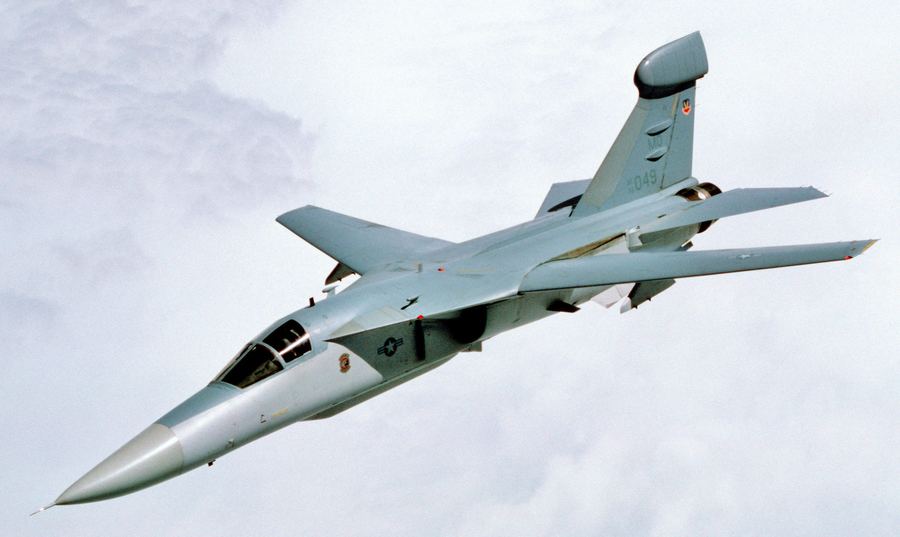
| Category | Military Aviation & Defense Systems |
| Type | Radar jamming/deception aircraft |
| Early Example | WWII chaff-equipped bombers, 1943 |
| Modern Scope | Radar + cyber/network attack |
| Status | Active worldwide |