
Overview
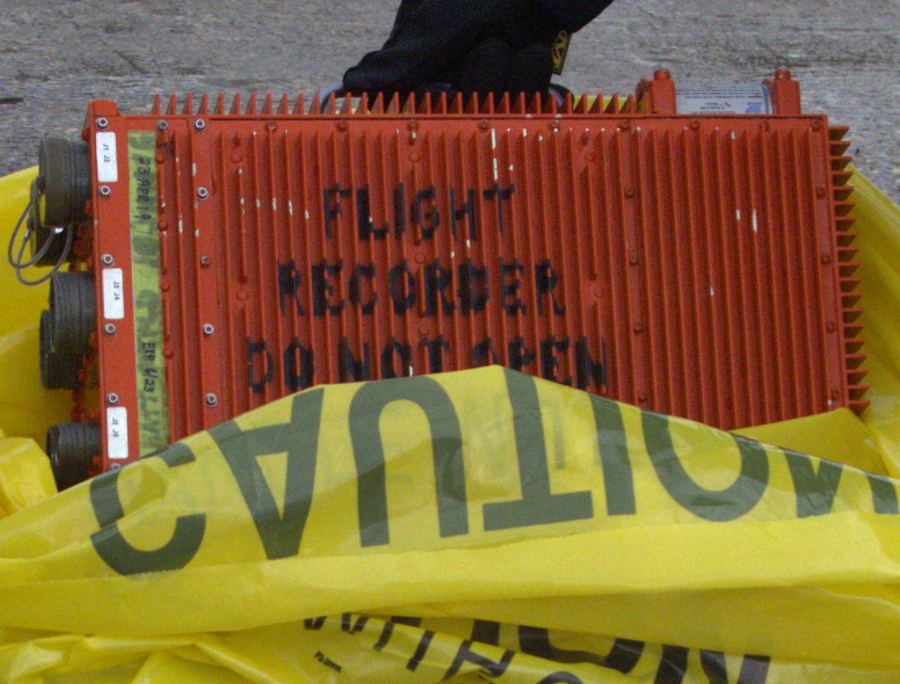
A flight data recorder (FDR) is one of the two main types of flight recorder installed on an aircraft, designed to preserve the recent history of a flight by recording dozens of technical parameters — including altitude, airspeed, heading, and control surface positions — multiple times per second throughout the flight. Alongside the cockpit voice recorder, which captures audio, the FDR gives accident investigators detailed technical data needed to reconstruct exactly what the aircraft was doing in the moments before an incident. Modern FDRs are built to withstand extreme impact forces, fire, and prolonged underwater submersion for aircraft that operate over water, and they're required to be painted bright orange to aid recovery despite being popularly nicknamed “black boxes.” Regulatory requirements for which parameters an FDR must capture have expanded considerably over the decades, as accident investigations have repeatedly identified additional data points that would have helped clarify the cause of past incidents.
History
David Warren's development of an early practical flight data recorder in the 1950s in Australia laid the groundwork for what became mandatory equipment on commercial aircraft worldwide, though it took several years for aviation authorities to formally require the technology. Early FDRs recorded only a handful of basic parameters, such as altitude, airspeed, and heading, using simple mechanical scratch-foil recording technology. Regulatory requirements for FDR capability expanded substantially through the 1960s, 1970s, and 1980s, as each major accident investigation tended to identify additional parameters that, had they been recorded, would have helped clarify the cause. Modern digital flight data recorders can capture hundreds of distinct parameters many times per second, a vast expansion in capability compared to the handful of basic measurements early mechanical FDRs were limited to recording.
Design & Specifications
A flight data recorder captures dozens to hundreds of individual parameters multiple times per second, including altitude, airspeed, heading, control surface positions, and engine performance data, all fed from sensors distributed throughout the aircraft. Data is compressed and written continuously to the recorder's crash-survivable memory unit, which retains at least the most recent 25 hours of flight data on most modern aircraft as required by international regulations. The recorder receives its data through a dedicated data acquisition unit that gathers signals from throughout the aircraft's systems and formats them for storage in the standardized recorder format investigators worldwide can read. Physical construction of the FDR matches other flight recorders, with a hardened, brightly colored casing designed to survive severe impact, fire, and underwater conditions.
Operations
The FDR records automatically and continuously throughout every flight without requiring any crew action, capturing data from the moment engines start until they're shut down after landing. Following an accident, investigators extract the recorded data using specialized ground equipment and software that converts the raw recorder output into readable engineering units for each captured parameter. Analysts plot and review the extracted flight data alongside cockpit voice recorder audio, reconstructing a detailed timeline of the aircraft's exact flight path, systems status, and control inputs leading up to an incident. Regulatory bodies periodically expand the minimum required parameter set for new aircraft, reflecting lessons learned from previous investigations where additional data would have clarified an accident's cause.
See also
References
| Category | Avionics & Flight Systems |
| Type | Technical flight parameter recorder |
| Inventor | David Warren, 1950s |
| Modern Capacity | Hundreds of parameters/second |
| Status | Mandatory on commercial aircraft |