
Overview
Aircraft leases are used by airlines and other operators to fly aircraft without the financial burden of purchasing them outright, or to add temporary capacity during periods of high demand. The industry uses two main leasing structures: wet-leasing, typically used for short-term arrangements and including crew, maintenance, and insurance provided by the lessor, and dry-leasing, more common for longer-term arrangements where the lessee supplies their own crew and handles operations. Operating leases of jet airliners have grown dramatically as a share of the global fleet, rising from under 2% in 1976 to roughly 15% in the early 1990s and around 25% by 2000, reflecting airlines' growing preference for financial flexibility over outright ownership. Leasing companies today own a substantial share of the world's commercial airliner fleet, giving airlines the ability to adjust fleet size and composition far more quickly than purchasing new aircraft would allow.
History
Aircraft leasing began modestly in the 1960s and 1970s, as a small number of specialized companies started offering airlines an alternative to outright aircraft ownership. The sector expanded dramatically from the 1980s onward, as leasing companies like GPA Group and International Lease Finance Corporation grew into major global players financing significant portions of the world's commercial airliner fleet. Operating leases grew from under 2% of the global jet airliner fleet in 1976 to roughly 25% by 2000, reflecting airlines' increasing preference for the financial flexibility leasing offered over the balance-sheet commitment of outright aircraft ownership. Aircraft leasing has continued growing in subsequent decades, with major leasing companies now controlling a substantial share of the global commercial fleet and playing a central role in how airlines worldwide manage fleet growth and renewal.
Design & Specifications
Leasing companies maintain large aircraft portfolios, structuring wet or dry lease agreements tailored to each airline customer's specific fleet needs.
Operations
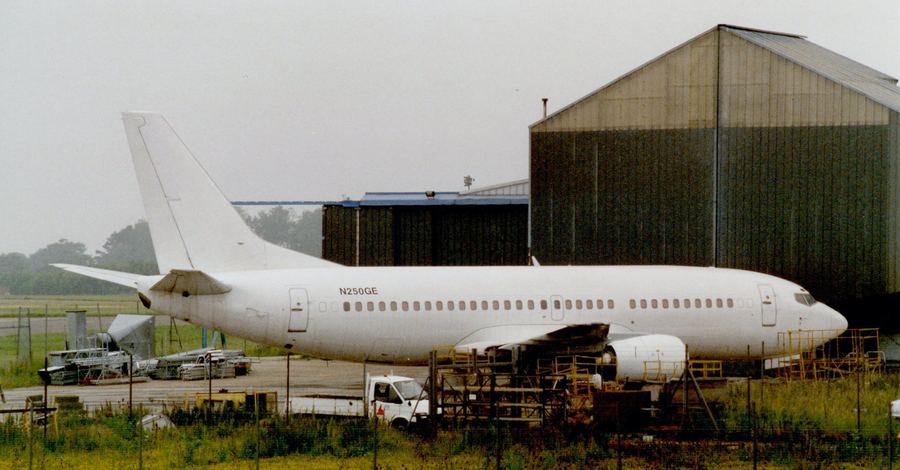
Lessors manage aircraft transitions between airline customers, coordinating maintenance, reconfiguration, and repainting as aircraft move between operators.
See also
References
| Category | Aviation Business & Pilot Operations |
| Type | Aircraft leasing provider |
| Models | Wet lease, dry lease |
| Fleet Share Growth | ~2% (1976) to ~25% (2000) |
| Status | Major share of global fleet |