Overview
The airline transport pilot license (ATPL), known as the airline transport pilot (ATP) certificate in the United States, represents the highest level of aircraft pilot certification available. In the US, unconditional ATP holders are authorized to act as pilot in command on scheduled air carrier aircraft under federal aviation regulations, while in EASA states and the UK, pilots must hold an ATPL before commanding any multi-pilot aircraft used for commercial air transport. Reaching this level requires first obtaining a commercial pilot license (CPL), which permits general paid flying such as aerial work, before accumulating the additional flight hours and training needed for ATPL privileges. The ATPL represents the career pinnacle of pilot certification, and virtually every captain flying for a major scheduled airline holds this qualification.
History
Formal airline pilot certification requirements developed alongside the broader growth of commercial aviation regulation in the 1920s and 1930s, as governments recognized that flying paying passengers demanded a higher standard of certification than private flying. The modern ATPL framework, requiring extensive flight hours and advanced training beyond a commercial pilot license, was formalized over subsequent decades as international aviation authorities worked to standardize the qualifications expected of airline captains. Post-World War II commercial aviation growth accelerated the professionalization of the airline pilot career path, as a large pool of military-trained pilots transitioned into civilian airline careers requiring formal ATPL certification. Reaching the ATPL level today typically represents a multi-year career progression, and the requirement has become a near-universal international standard for anyone commanding a multi-pilot commercial aircraft.
Design & Specifications
ATPL certification requires a minimum flight hour threshold, typically 1,500 hours, along with advanced written exams and simulator-based practical testing.
Operations
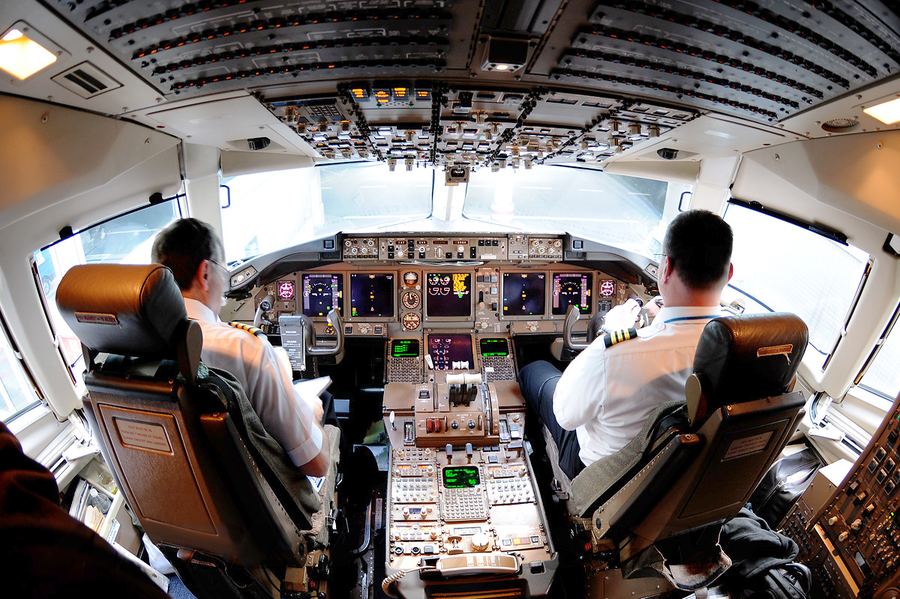
Airline captains use their ATPL to command multi-crew commercial aircraft, with recurring training and checks required to maintain the certification's validity.
See also
References
| Category | Aviation Business & Pilot Operations |
| Type | Highest pilot certification |
| Also Called | ATPL / ATP |
| Requires First | Commercial Pilot Licence |
| Held By | Virtually all airline captains |