
Overview
In aviation, a runway is an elongated, rectangular surface designed for aircraft takeoff and landing, built either from human-made materials like asphalt and concrete or from natural surfaces such as grass, dirt, or gravel. Runway lengths are now commonly specified in meters worldwide, except in North America, where measurements in feet remain standard. The push for dedicated, prepared landing surfaces dates to the aftermath of World War I; in a January 1919 statement, aviation pioneer Orville Wright emphasized the need for distinctly marked, carefully prepared landing areas, even while acknowledging the cost of building and maintaining them. Runway design today accounts for factors including aircraft weight, prevailing wind direction, and surrounding terrain, and major airports often operate multiple runways oriented to handle different wind conditions and traffic volumes.
History
Early aviation pioneers in the 1900s and 1910s used simple grass fields with no formal preparation, but Orville Wright's 1919 call for properly marked and prepared landing surfaces reflected growing recognition of the safety risks in ad-hoc landing areas. World War I experience directly informed early US Army Air Service standards for prepared runway surfaces, developed in 1919 based on lessons learned during wartime aviation operations. Paved runway construction expanded significantly through the mid-20th century as aircraft grew heavier and faster, and runway length and strength requirements have continued increasing alongside the development of larger, heavier jet aircraft ever since.
Design & Specifications
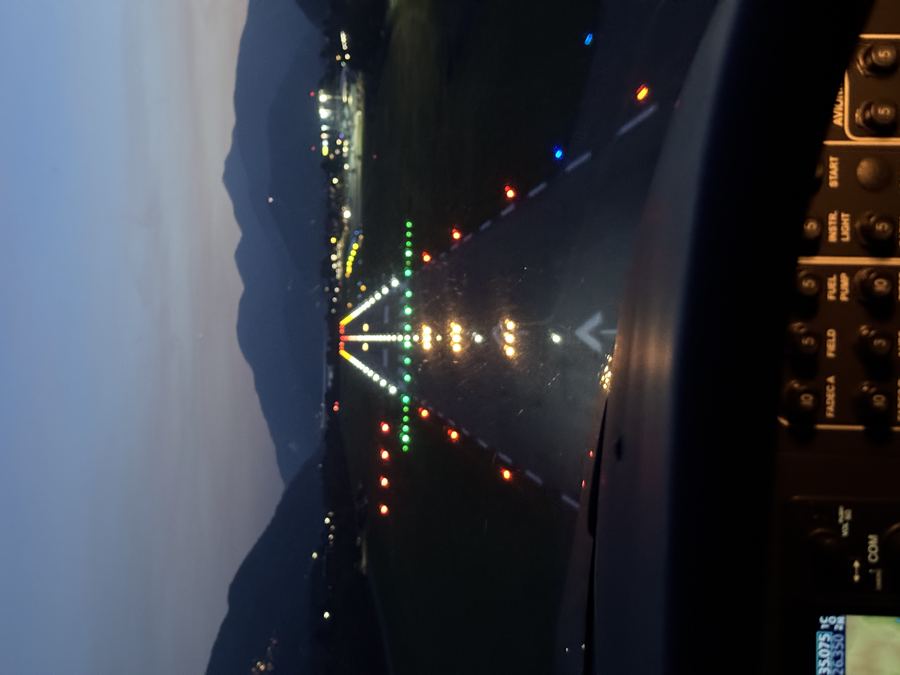
Runway construction typically involves multiple layers of compacted subgrade, base material, and a paved surface of asphalt or concrete engineered to bear the repeated weight of landing aircraft over many years. Runway markings, including centerlines, threshold markings, and touchdown zone indicators, are painted according to standardized international specifications so pilots can interpret them consistently at any airport. Runway lighting systems, including edge lights, centerline lights, and approach lighting arrays, allow safe operations at night and in reduced visibility conditions. Runway length and strength ratings are calculated based on the heaviest and fastest aircraft types the airport intends to serve, with longer runways required for larger aircraft or airports at higher elevations where thinner air reduces aircraft performance.
Operations
Air traffic controllers assign runways for use based on wind direction, since aircraft generally take off and land facing into the wind for maximum performance and control. At airports with multiple runways, controllers may operate parallel runways simultaneously during high-traffic periods, carefully managing separation between aircraft using different runways at the same time. Runway maintenance crews conduct regular inspections for surface damage, foreign object debris, and marking visibility, since even small hazards can pose a serious risk to aircraft during high-speed takeoff and landing rolls. During snow or ice conditions, dedicated runway clearing equipment works continuously to keep the surface usable, since a contaminated runway can significantly extend the distance an aircraft needs to safely stop.
See also
References
| Category | Airport & Ground Infrastructure |
| Type | Takeoff / landing surface |
| Materials | Asphalt, concrete, grass, gravel |
| Standard Origin | Post-WWI, formalized 1919 |
| Measured In | Meters (feet in North America) |