
Overview
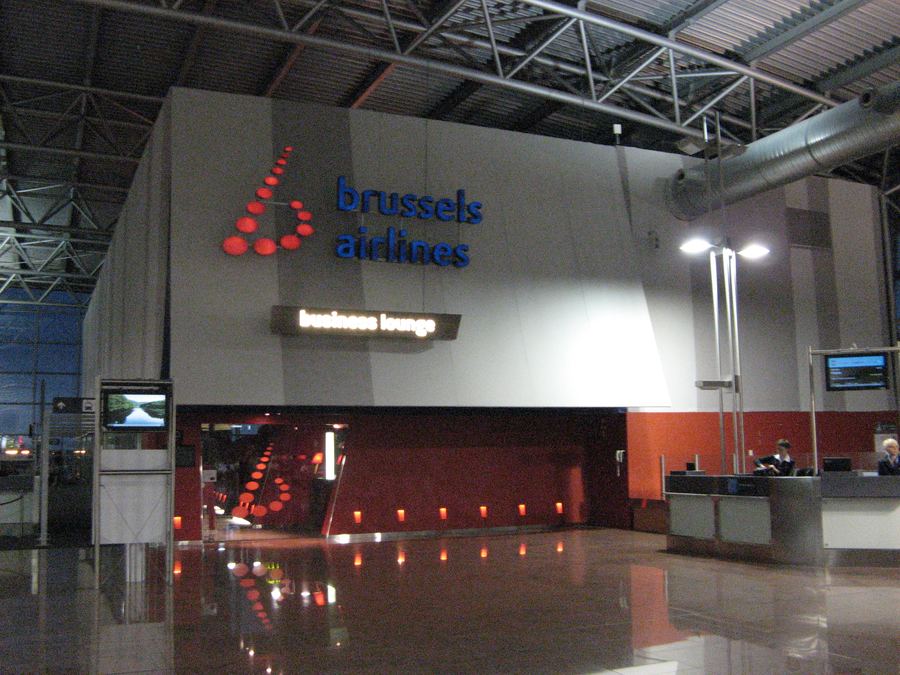
An airport lounge is a facility that offers selected passengers comforts beyond those available in the main airport terminal, such as quieter seating areas, better access to customer service staff, and amenities like private meeting rooms, free drinks and snacks, and shower facilities. The American Airlines Admirals Club, which opened at New York's LaGuardia Airport in 1939, is generally credited as the first airport lounge, originally conceived by the airline's president as a promotional tool. Airline-operated lounges today are typically reserved for premium passengers — first and business class travelers, elite frequent flyer members, and holders of certain premium travel credit cards — with most major carriers maintaining multiple lounges across their hub airports. Beyond airline-run lounges, independent pay-to-enter lounges have also become common at many major airports, open to any traveler willing to pay an entry fee or holding qualifying credit card benefits.
History
The American Airlines Admirals Club, which opened at New York's LaGuardia Airport in 1939, is generally credited as the world's first airport lounge, originally conceived by the airline's president as a promotional and loyalty-building tool. Other major airlines began opening their own branded lounges over subsequent decades, and the category expanded significantly alongside the growth of frequent flyer programs starting in the 1980s, which gave airlines a new way to link lounge access to elite loyalty status. Independent, pay-to-enter lounges emerged more recently as a growing alternative to airline-run clubs, expanding lounge access to a wider range of travelers willing to pay an entry fee.
Design & Specifications
Airline lounges typically include comfortable seating areas, complimentary food and beverage service, business facilities like private workstations or meeting rooms, and often shower facilities for long-haul travelers. Larger flagship lounges at major hub airports may include additional amenities such as sleeping pods, spa services, or dedicated dining areas staffed by chefs. Lounge design and amenities are often used as a competitive differentiator among airlines and alliances, with flagship lounges at key hubs receiving significant investment in design and service quality. Independent, pay-to-enter lounges typically offer a more standardized set of amenities across multiple airlines and terminals, without the airline-specific branding of a carrier's own lounge network.
Operations
Access to an airline lounge is typically verified at the entrance by checking a passenger's boarding pass, frequent flyer status, or membership card against the lounge's specific eligibility rules. Lounge staff manage capacity throughout the day, since popular lounges at busy hub airports can reach capacity during peak travel periods, sometimes requiring temporary access limits even for otherwise eligible passengers. Food and beverage service in lounges ranges from simple self-serve snack stations to full-service dining, with premium flagship lounges often providing significantly more elaborate offerings than standard lounges. Many lounges also provide boarding announcements or gate information displays, letting passengers relax comfortably while still monitoring their flight's departure status.
References
| Category | Airport & Ground Infrastructure |
| Type | Premium airport facility |
| First Example | American Admirals Club, 1939 |
| Access | Elite status, premium fare, paid entry |
| Status | Standard at major hubs |