
Overview
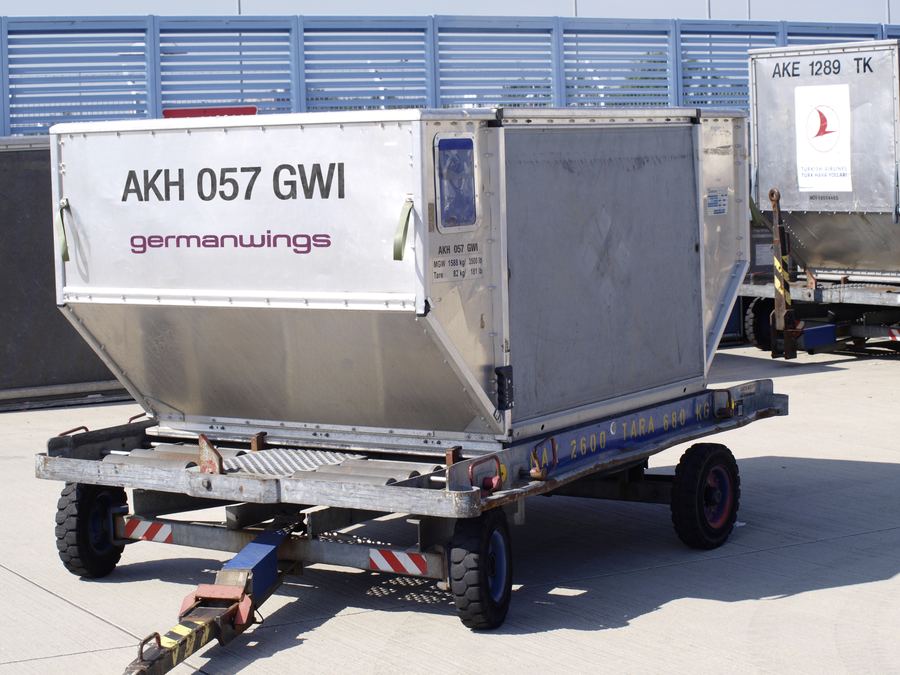
A unit load device (ULD) is a container or pallet used to load luggage, freight, and mail onto wide-body aircraft and certain narrow-body aircraft, letting cargo be preloaded and packed as a single unit rather than hand-loaded piece by piece into the hold. This containerized approach lets airlines plan aircraft weight and balance more precisely while cutting the labor and time needed to load and unload each flight, and every ULD carries its own packing manifest so its contents can be tracked. ULDs come in two main forms: rugged aluminum pallets that lock onto cargo-net lugs, and fully enclosed containers, sometimes called cans or pods. According to IATA, roughly 900,000 ULDs are in active service worldwide, together worth more than a billion dollars.
History
Unit load devices were developed in the 1960s as wide-body jet aircraft entered service, creating enough cargo hold volume to make containerized freight loading practical and worthwhile. IATA established standardized ULD specifications over subsequent decades to ensure containers built by different manufacturers would fit consistently across various aircraft types and airline fleets worldwide. The system matured into its current form by the late 20th century, and IATA now estimates roughly 900,000 ULDs remain in active service globally, reflecting how central containerized cargo handling has become to modern air freight operations.
Design & Specifications
ULDs come in two main physical forms: rigid aluminum pallets secured under a cargo net, and fully enclosed containers shaped to fit the curved contours of an aircraft's lower cargo hold or main deck. Each ULD is stamped with a standardized IATA type code identifying its exact dimensions and weight capacity, letting ground crews and loadmasters quickly confirm compatibility with a specific aircraft type. Containers are built from lightweight aluminum or composite materials to minimize their own weight, since every pound of container structure reduces the aircraft's usable payload capacity. A locking mechanism on the aircraft's cargo floor engages with fittings on the base of each ULD, securing it firmly in place against the forces of flight.
Operations
Ground crews load ULDs onto a main-deck or lower-hold loader, a specialized vehicle with a powered roller-bed platform that raises to the aircraft's cargo door height and slides each container or pallet directly into position. Loadmasters plan the exact placement of each ULD within the aircraft to keep the load properly balanced and within the aircraft's structural weight limits for each cargo position. Once loaded, ULDs are locked into the aircraft's built-in restraint system, and ground crews verify each lock is properly engaged before departure. At the destination, the same process runs in reverse, with ULDs unloaded and their contents sorted for onward trucking or connecting flights.
See also
References
| Category | Airport & Ground Infrastructure |
| Type | Unit load device (ULD) |
| Introduced | 1960s, with wide-body jets |
| Standard Body | IATA |
| Global Fleet | ~900,000 units |