
Overview
Regional airlines operate scheduled service using smaller aircraft between communities that don't generate enough demand to support mainline jet service, often flying under a larger airline's branding through codeshare or capacity-purchase agreements — for example, a regional carrier operating as a larger airline's “Express” or “Eagle” brand. In North America most regional carriers work on a “fee-for-departure” basis, where the mainline partner pays the regional airline to fly a route rather than the regional airline selling its own tickets. The category has shifted considerably over the decades: aircraft have grown from small propeller planes carrying a couple dozen passengers to regional jets seating up to 100, and by the early 2010s regional-branded flights accounted for well over half of all departures advertised by major US carriers.
History
Regional airlines evolved directly out of the commuter airline category following US deregulation in 1978, as small carriers grew larger aircraft fleets and formalized codeshare partnerships with major airlines. Regional jet development in the 1990s, particularly the introduction of aircraft seating up to around 100 passengers, let regional carriers take over routes previously flown by mainline jets on lower-demand city pairs. By the early 2010s, flights operated under a major airline's regional branding accounted for well over half of all departures advertised by US carriers, reflecting how central the fee-for-departure regional model had become to network airline economics.
Design & Specifications
Regional carrier fleets center on smaller aircraft than mainline airlines use, ranging from 19- to 50-seat turboprops on the smallest routes up to regional jets carrying around 70 to 100 passengers on higher-demand routes. These aircraft are specifically sized and certified for shorter runways and lower passenger volumes than the larger narrow-body jets mainline carriers fly on trunk routes. Regional aircraft cabins are typically painted and configured to match the mainline partner's livery and branding exactly, so passengers often can't visually distinguish a regional flight from a mainline one. Under fee-for-departure agreements, the regional carrier is paid a set amount by the mainline partner to operate each flight, while the mainline carrier retains control over scheduling, pricing, and ticket sales.
Operations
Regional carrier flight operations are scheduled specifically to feed passengers into and out of the mainline partner's connecting flights at the hub airport, with regional flight timing coordinated closely against the mainline schedule. Ground handling for regional flights is frequently provided by the mainline partner or a shared handling agent at the hub airport, letting passengers move seamlessly between a regional flight and a mainline connection without separate check-in processes. Regional carriers typically operate multiple bases across their route network, positioning crews and aircraft where needed to efficiently cover the mainline partner's regional route requirements. Maintenance operations for regional fleets are often standardized around a small number of aircraft types, letting the carrier maintain efficient parts inventory and technician training across its entire fleet.
References
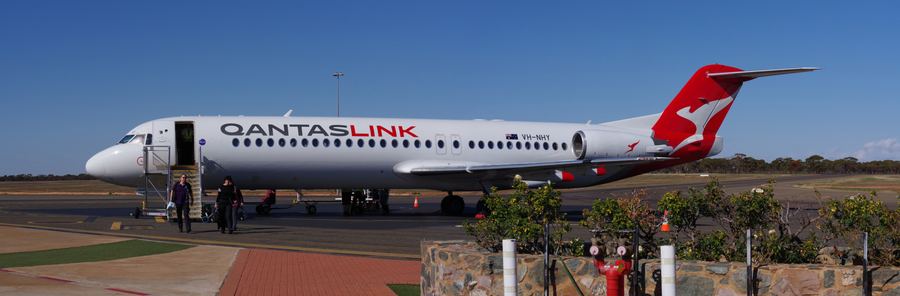
| Category | Airline Business Models & Carrier Types |
| Type | Small-aircraft feeder airline |
| Model | Fee-for-departure / codeshare |
| Aircraft | Regional jets, turboprops |
| Status | Active worldwide |