
Overview
“Commuter airline” was the regulatory term the US Civil Aeronautics Board applied, starting around 1969, to airlines flying very small aircraft — originally under 12,500 pounds — that operated short routes connecting smaller communities to larger air networks. Regulatory limits on commuter aircraft size were gradually relaxed through the 1970s, allowing larger equipment and higher passenger counts, before the term was folded into the broader “regional airline” category following deregulation in 1978. These smaller operators played a key role in extending the US air travel network to towns too small to support mainline jet service, often flying under a larger airline's brand through codeshare arrangements even though a separate company actually operated the aircraft.
History
The US Civil Aeronautics Board formally defined the commuter airline category around 1969, applying it to carriers flying very small aircraft on short routes connecting smaller communities to the wider air network. Aircraft size limits for commuter operators were gradually raised through the 1970s, letting these airlines fly larger, higher-capacity equipment as demand grew. Deregulation in 1978 removed the CAB's route and fare controls entirely, and the commuter category was gradually absorbed into the broader regional airline classification over the following decades as many commuter carriers grew into codeshare partners for major airlines.
Design & Specifications
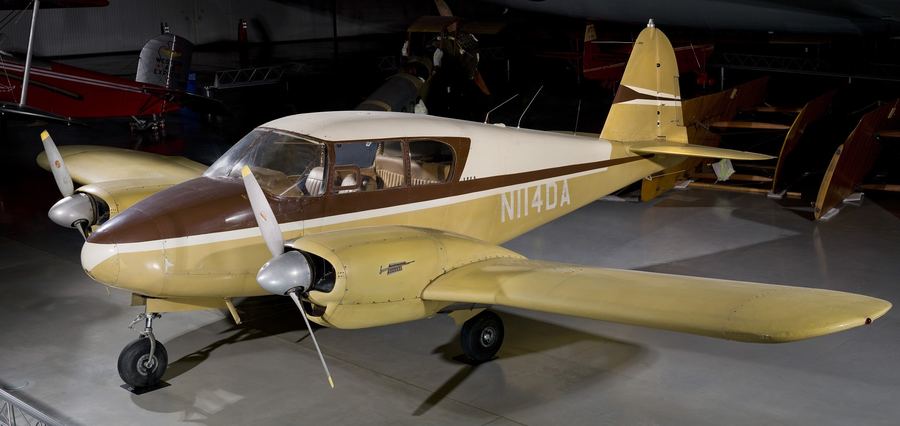
Commuter air carriers historically operated small, unpressurized or lightly pressurized aircraft under roughly 12,500 pounds, a size threshold that limited both passenger capacity and the routes these aircraft could practically serve. These aircraft were typically twin-engine turboprops or piston aircraft, chosen for their ability to operate from the shorter, less-developed runways common at the small airports commuter carriers served. As the regulatory category evolved and merged into the broader regional airline classification, aircraft size limits relaxed considerably, letting operators fly larger, pressurized turboprops and eventually regional jets on former commuter routes. Many of these smaller carriers operated under a larger airline's brand identity through codeshare arrangements, even though a completely separate company owned and flew the actual aircraft.
Operations
Commuter carrier operations historically centered on frequent, short-hop flights connecting small communities to a larger hub airport, often with multiple daily departures on the same route to accommodate connecting passenger schedules. These operations required close coordination with the mainline partner airline's schedule, since commuter flights were typically timed specifically to feed passengers into or out of mainline connecting flights at the hub. Ground operations at the small airports commuter carriers served were often minimal, sometimes limited to a single gate agent handling both ticketing and boarding for the small aircraft involved. As commuter operations evolved into the modern regional airline model, operational complexity increased substantially, requiring the same kind of crew scheduling, dispatch, and maintenance coordination systems used by larger carriers, just scaled to a regional fleet.
See also
References
| Category | Airline Business Models & Carrier Types |
| Type | Small-aircraft regional carrier |
| Origin Term | US CAB, c. 1969 |
| Historical Limit | 12,500 lb aircraft weight |
| Status | Absorbed into regional airline category |