
Overview
Ultralight aviation, called microlight aviation in some countries, involves flying lightweight, one- or two-seat fixed-wing aircraft, with some countries distinguishing between weight-shift-control aircraft (often called microlights) and conventional three-axis-control aircraft with ailerons, elevator, and rudder (often called ultralights). The category emerged during the late 1970s and early 1980s, largely inspired by the hang gliding movement, as many people sought affordable access to powered flight without the cost and complexity of certifying a full general aviation aircraft. In response, aviation authorities in many countries established specific weight and speed limit definitions for these lightweight, slow-flying aircraft, allowing them to be regulated under simplified, less burdensome rules than standard certified aircraft. Exact weight and speed limits vary considerably by country, and the category remains one of the most accessible entry points into powered personal aviation worldwide.
History
Ultralight aviation emerged directly out of the hang gliding movement of the late 1970s, as enthusiasts began adding small engines to hang glider-derived airframes to extend flight beyond simple hillside gliding. Aviation authorities in the United States, Europe, and elsewhere established specific ultralight and microlight aircraft categories through the early-to-mid 1980s, creating simplified regulatory frameworks distinct from standard certified aircraft requirements. These lighter regulatory requirements made ultralight aircraft one of the most accessible entry points into powered personal flight, requiring less extensive certification than a standard private pilot license in many jurisdictions. The category has continued evolving since, with modern ultralight and light-sport aircraft categories in various countries expanding on the original 1980s framework to accommodate more capable, though still simplified, aircraft designs.
Design & Specifications
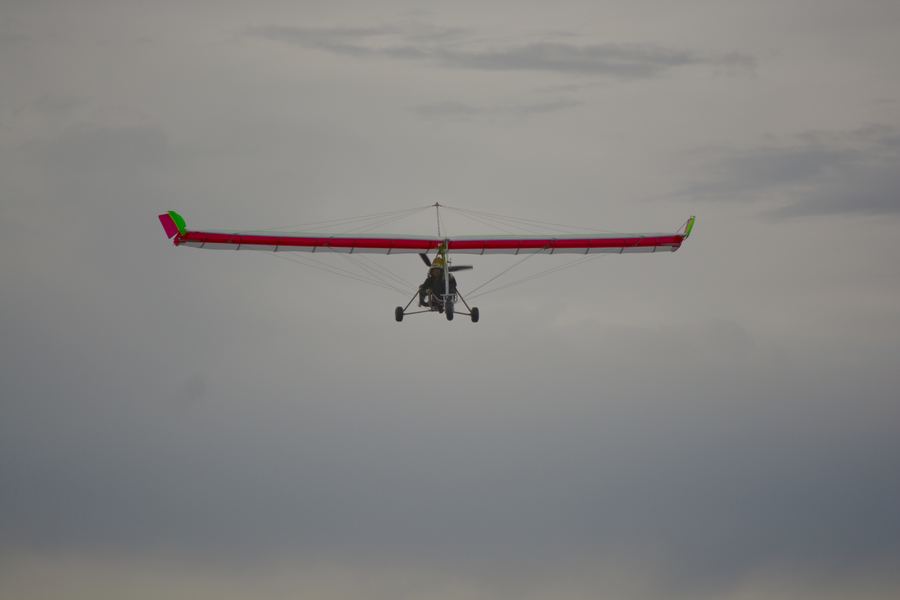
Ultralight aircraft are built as lightweight as regulations allow, often using simple tube-and-fabric construction with a small engine, keeping the aircraft under strict weight and speed limits.
Operations
Ultralight pilots typically fly from small local airfields under simplified regulatory requirements, with less extensive certification needed than for standard general aviation aircraft.
See also
References
| Category | Aircraft Types & Categories |
| Type | Lightweight 1-2 seat aircraft |
| Origin | Hang gliding movement, late 1970s |
| Regulatory Era | Early-mid 1980s frameworks |
| Status | Accessible entry-level flying |