
Overview
A spaceplane is a vehicle that can fly and glide like an aircraft within Earth's atmosphere while also functioning as a spacecraft in outer space, combining design features from both categories of vehicle. Orbital spaceplanes tend to resemble conventional spacecraft more closely, while sub-orbital spaceplanes tend to resemble fixed-wing aircraft more closely, and as of the mid-2020s every spaceplane built has used rocket power for takeoff and climb before landing as an unpowered glider. Only a handful of spaceplanes have successfully launched to orbit, reentered Earth's atmosphere, and landed, including the US Space Shuttle, the Russian Buran, and the US X-37, with additional vehicles such as Dream Chaser under active development. Because they must withstand the extreme heat of atmospheric reentry while also functioning as an aerodynamically stable glider, spaceplanes represent one of the most technically demanding categories of aircraft to design and certify.
History
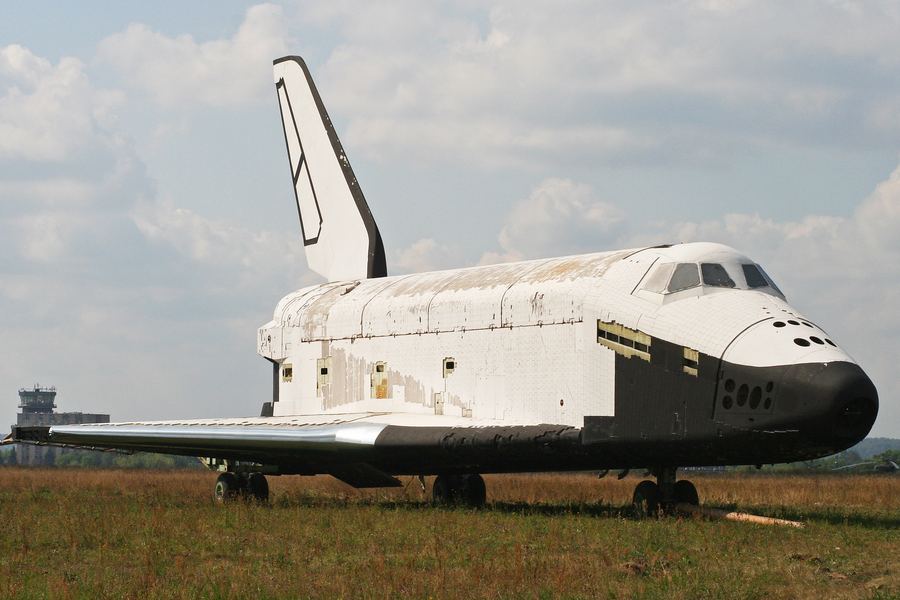
The US Space Shuttle, first launched in 1981, became the first operational orbital spaceplane, combining rocket-powered launch with an unpowered glide landing on a conventional runway. The Soviet Union developed a similar vehicle, Buran, which completed one uncrewed orbital flight in 1988 before the program was cancelled following the Soviet Union's collapse. The Space Shuttle program continued for three decades before retiring in 2011, after which the US X-37 uncrewed spaceplane and China's Shenlong took up orbital spaceplane testing in subsequent years. Newer spaceplane concepts, including Sierra Space's Dream Chaser, have continued development into the 2020s, aiming to combine reusable spacecraft technology with the operational simplicity of runway landings.
Design & Specifications
Spaceplanes combine a reinforced heat-shielded structure for atmospheric reentry with aerodynamic wings and control surfaces enabling an unpowered glide to a runway landing.
Operations
Spaceplane missions launch under rocket power, operate briefly in space or at the edge of the atmosphere, then reenter and glide to a runway landing without engine power.
See also
References
| Category | Aircraft Types & Categories |
| Type | Atmosphere + orbital-capable vehicle |
| First Orbital Example | US Space Shuttle, 1981 |
| Landing Method | Unpowered glide |
| Status | Active development (Dream Chaser, etc.) |