
Overview
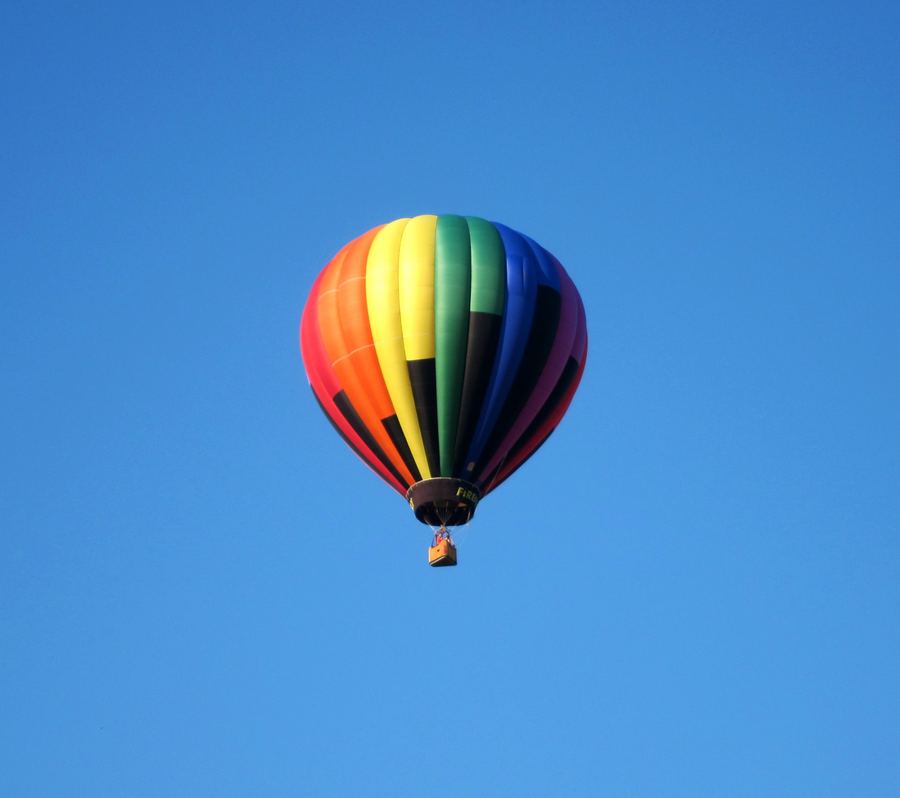
A hot air balloon is a lighter-than-air aircraft consisting of a fabric envelope containing heated air, with a gondola or basket suspended beneath carrying passengers and a heat source, typically an open flame burning liquid propane. The heated air inside the envelope is less dense than the surrounding cooler air, making the whole balloon buoyant enough to rise, and because the internal air pressure roughly matches the outside pressure, the envelope doesn't need to be sealed at the bottom. Modern sport balloon envelopes are generally made from nylon fabric, with the section closest to the burner flame constructed from fire-resistant material such as Nomex to withstand the heat. Hot air ballooning today is practiced both as a recreational and competitive sport and, in some regions, as a tourism activity offering scenic aerial views over cities and landscapes.
History
The Montgolfier brothers launched the first successful hot air balloon flight in France in 1783, carrying passengers aloft for the first time in human history and predating any other form of practical human flight by well over a century. Ballooning remained largely experimental and demonstrative through the 18th and 19th centuries, used for scientific observation, military reconnaissance, and public spectacle rather than practical transport. Modern sport ballooning, using nylon envelopes and propane burners rather than the paper-and-fabric designs of the original Montgolfier balloons, emerged in the mid-20th century as lightweight synthetic materials and reliable portable heat sources became available. Hot air ballooning today persists primarily as a recreational and tourism activity, along with a small competitive sport following, rather than any practical transportation role.
Design & Specifications
A hot air balloon's nylon envelope is heated by a propane burner suspended above the basket, with heated air providing buoyancy since no engine or rigid structure is required.
Operations
Pilots control altitude by adjusting burner output to heat or cool the air inside the envelope, with horizontal direction determined entirely by wind at whatever altitude the pilot selects.
See also
References
| Category | Aircraft Types & Categories |
| Type | Lighter-than-air, unpowered |
| Inventors | Montgolfier brothers, 1783 |
| Heat Source | Propane burner |
| Status | Recreational / tourism use |